Induction Seal Liners for Powder Products: Dust Control, Moisture Barrier & Supplement Jars
A practical buyer guide for choosing and validating induction liners for powders, capsules and dry products where rim dust, moisture pickup, headspace and fill-line behavior can matter more than liner diameter alone.
 Lena Schmidt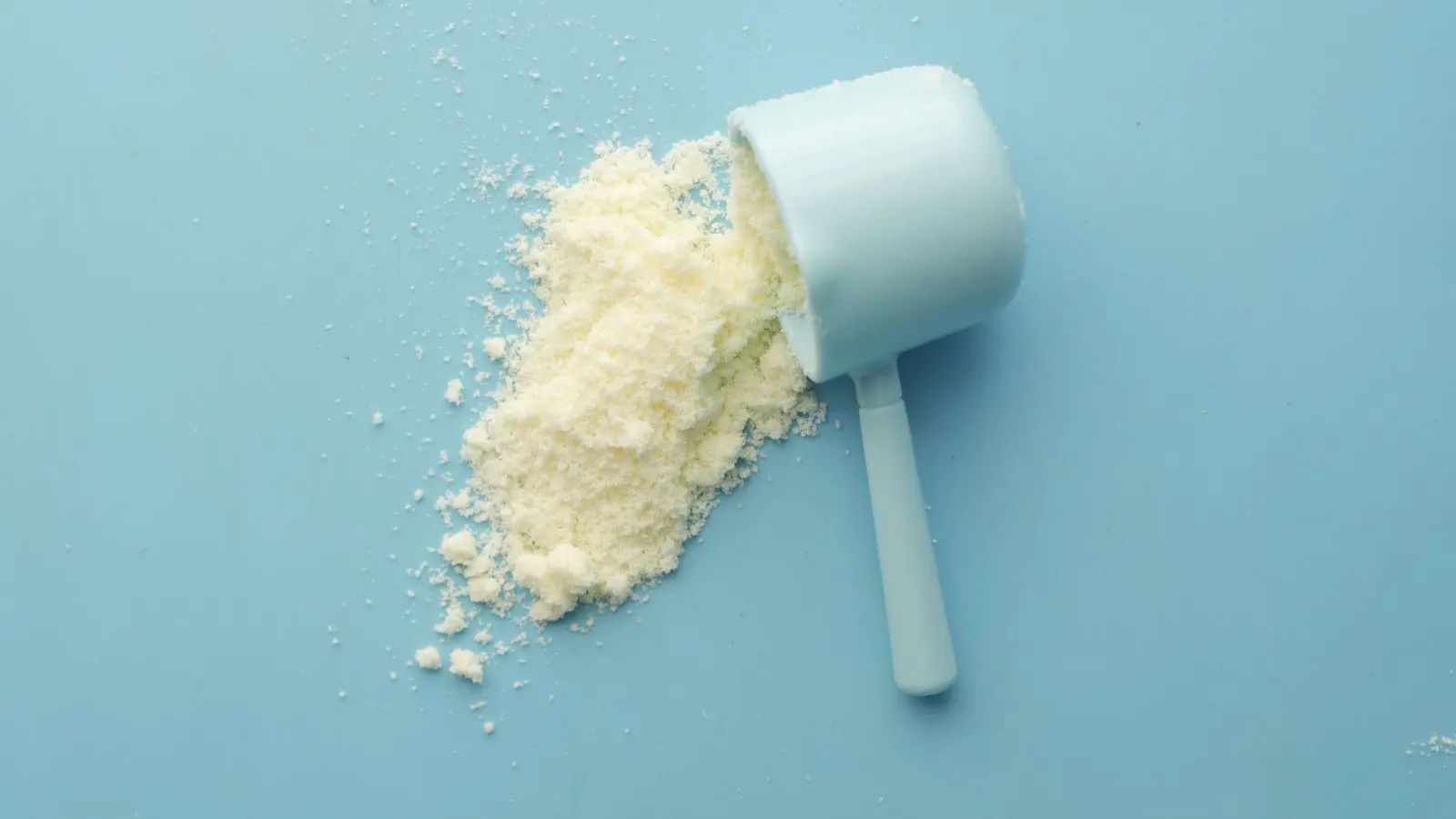
Disclosure: We may earn a commission if you purchase through links on this page, at no additional cost to you.
Quick answer. For powder products, do not choose an induction liner only by cap size or bottle resin. A powder pack must also keep the sealing land clean, control moisture entry before first opening, leave enough headspace for filling and settling, and survive the actual capping and induction process without powder trapped under the seal.
A good powder-pack liner is usually an aluminum-foil induction construction matched to the container resin, with enough barrier for the product’s moisture sensitivity and with a backing or opening style that fits the closure. But the best liner will still fail if fine powder sits on the rim before the cap is applied.
Approve the liner with filled-package trials, not empty-bottle trials. Use the real powder, the real fill level, the real cap, the real desiccant plan and the same dust-control conditions the line will run in production.
Powder Failure Starts at the Rim
Liquid leakage is not the only induction-seal failure mode. Powder dust can interrupt the interface between the heat-seal layer and the container mouth. Enercon specifically warns that powder or granules can compromise the liner’s ability to interface with the container, which turns a filling problem into a sealing failure.
The important distinction is that the liner may be correct while the filled package is not sealable in that condition. A dusted rim, powder in the thread start, product on the cap land or powder lifted by air movement can all create a weak spot before induction begins.
For wide-mouth supplement jars, this risk grows because the sealing area is broad and the fill head often sits close to the opening. A small amount of powder spread across a large rim can become a continuous bond interruption.
Moisture Barrier Is a Shelf-Life Question
Many powders are sold by weight, texture and flow behavior. Moisture uptake can cause clumping, caking, loss of scoopability, chemical degradation or flavor/aroma change. The induction liner contributes to the pre-opening barrier, but it is only one part of the system.
Academic storage work on pudding powder under accelerated conditions notes that moisture-sensitive powders must be evaluated by vapor movement through the package and moisture gain in the product. The same logic applies to protein powders, drink mixes, capsules, spices and dry pharmaceutical ingredients.
For a moisture-sensitive powder, ask for the liner construction and the barrier function, not just “foil seal”. A foil layer can be valuable, but the seal edge, cap compression, container wall, desiccant, headspace and storage conditions all affect the finished pack.
| Buyer question | Why it matters for powders | What to check |
|---|---|---|
| Is the powder hygroscopic? | Moisture pickup can cause clumping or loss of function | Filled-pack aging under realistic humidity |
| Does the powder dust the rim? | Dust blocks the heat-seal layer from bonding | Rim cleanliness after filling and before capping |
| Is there enough headspace? | Loose powder can aerate, settle or reach the finish | Fill height after vibration and settling |
| Is a desiccant used? | Desiccant changes headspace planning and user experience | Location, compatibility and insertion sequence |
| Is the product combustible dust? | Electrical heat-sealing equipment may raise safety questions | Site risk assessment and equipment suitability |
Headspace and Settling Can Decide Whether the Rim Stays Clean
Powder does not behave like a rigid solid. It can aerate during filling, bridge, settle after vibration, or puff when the container is moved. If the jar is filled too high from a settled lab-density assumption, the line may look acceptable in development but contaminate the rim during real filling.
Before selecting the final liner size and cap system, run a fill-height check with the actual filler. Include the target fill weight, auger or cup-filler behavior, any container tapping/vibration, and the time between filling and cap application.
If loose powder reaches the finish, the fix is usually not a stronger liner. It is better dust extraction, better fill-nozzle placement, more headspace, a rim-cleaning step, slower cap placement, or a container change.
Desiccants Do Not Replace a Good Seal
A desiccant can help manage residual moisture inside the headspace, but it does not fix a poor induction seal. If moisture enters through the seal edge or because the liner did not fully bond, the desiccant becomes a temporary buffer rather than a packaging solution.
Decide where the desiccant sits before the seal trial. Sachets, canisters and in-cap desiccants can change the sequence of filling, capping and user opening. They can also create foreign-body or user-handling concerns if the product is a food or supplement.
For powders with high moisture sensitivity, approve the complete system: container, cap, liner, induction process, desiccant and shelf-life plan.
Two-Piece Liners Can Help After Opening
A two-piece induction liner leaves a secondary backing in the cap after the foil bonds to the container. For powder jars that are opened repeatedly, that backing may support post-open closure feel and reduce dust escape after the foil is removed.
The backing is not the same as the first-open barrier. Once the foil is removed, the package depends on the cap, backing and user handling. If the product will be used for weeks after opening, evaluate post-open reseal separately from the original induction seal.
For scoopable powders, the post-open problem is often practical: powder on the cap thread, powder on the backing and powder caught under the closure can make the pack messy. That is a use-case issue, not just a liner issue.
Powder Safety Can Be a Line-Design Issue
Some powders are merely dusty; others may create combustible dust hazards. Enercon advises that induction sealers should not be used in hazardous powder environments without appropriate advice and integration planning. That does not make induction sealing unsuitable for all powders, but it does mean the packaging line and site risk assessment matter.
If a powder is combustible, flammable, oxidizing, solvent-wetted or otherwise hazardous, do not treat the liner RFQ as the whole problem. Include the product SDS, local safety requirements, ventilation, dust extraction, electrical classification and equipment integrator review.
A Practical Approval Sequence
| Stage | Question | Release condition |
|---|---|---|
| 1. Dry fit | Does the liner size and cap pocket fit the container finish? | Flat liner, correct OD and cap seating |
| 2. Empty seal | Can the construction bond to the container resin? | Continuous bond without scorching or weak edge |
| 3. Filled powder trial | Does powder reach the sealing land during real filling? | Clean rim before cap application |
| 4. Process window | Can the filled pack seal across normal line speed and cap variation? | Repeatable peel/leak/barrier result |
| 5. Moisture challenge | Does the complete pack protect the powder for the required storage? | No unacceptable clumping, weight change or degradation |
| 6. Post-open use | Does the cap/backing control mess after the foil is removed? | Acceptable repeated-use closure behavior |
| 7. Safety review | Is dust or product hazard compatible with the sealing equipment and line? | Documented site/equipment suitability |
RFQ Fields for Powder and Supplement Jar Liners
| RFQ field | What to specify |
|---|---|
| Container | Resin, jar/bottle supplier, neck finish, mouth diameter, sealing-land width and rim flatness requirement |
| Closure | Cap supplier/SKU, liner pocket, thread style, application torque and whether a backing should remain in cap |
| Powder behavior | Fine/dusty/granular, hygroscopicity, oil or flavor content, particle size range if relevant |
| Fill condition | Target fill weight, fill height, powder settling, headspace and whether rim dust occurs |
| Barrier need | Moisture sensitivity, oxygen/aroma sensitivity, shelf-life target and storage humidity |
| Liner construction | One-piece/two-piece, foil, backing, heat-seal layer, tab or easy-open feature |
| Desiccant plan | None / sachet / canister / in-cap; insertion step and user exposure |
| Validation | Filled-pack seal trial, aging, orientation, post-open reseal and retained golden sample |
Current Alibaba Sourcing Paths
Affiliate disclosure: Object Brief may earn a commission from qualifying Alibaba purchases. These are sourcing candidates by role, not rankings. Confirm bottle finish and resin, liner construction, product-contact documents, MOQ and current availability before buying.
Two-Piece Induction Liner with Cardboard Backing
A two-piece heat induction aluminum seal liner with cardboard backing for PET/PE plastic pill bottles. Uses a live supplier profile for final status.
Best for: A powder, capsule or tablet jar needing first-open foil plus cap-side backing.
- Two-piece with cardboard backing
- PET/PE plastic pill bottles
- First-open foil plus cap-side backing
- MOQ
- Check current listing
Two-Piece Cap-Lining Induction Liner for HDPE
A two-piece cap-lining aluminum foil induction seal liner with cardboard for HDPE bottles. Useful where the buyer needs an HDPE-oriented backing route for dry products.
Best for: An HDPE-oriented backing route for dry products.
- Two-piece cap-lining
- HDPE bottle orientation
- Cardboard backing for dry products
- MOQ
- Check current listing
Smooth Aluminium-Plastic Closure with Induction Liner
A smooth aluminium-plastic screw closure with an induction liner in 18 mm / 28 mm sizes, from a manufacturer/trading company focused on foil gaskets and induction sealing. Confirm bottle finish and resin, liner construction, product-contact documents, MOQ and current availability before buying.
Best for: A closure-plus-liner option (18 mm / 28 mm) for powder or capsule packaging.
- Closure with induction liner
- 18 mm / 28 mm sizes
- Foil-gasket and induction-sealing focus
- MOQ
- Check current listing
Frequently Asked Questions
Can induction sealing be used for protein powder jars?
Yes, when the jar, cap, liner and filling process are compatible. The main risks are powder on the sealing land, insufficient barrier for the shelf-life target and post-open mess control.
Is a foil liner enough to stop moisture?
Not by itself. The foil layer helps, but the finished package also depends on the edge seal, cap, container wall, desiccant plan, storage humidity and whether the seal was formed cleanly.
Should powder jars use one-piece or two-piece liners?
A two-piece liner is often useful when post-open cap-side backing matters. A one-piece liner may be sufficient when first-open tamper evidence and barrier are the main goals and post-open reseal is handled by the closure itself.
Why does powder dust cause seal failure?
Dust sits between the heat-seal layer and the container mouth. The sealer may heat the foil correctly, but the sealant cannot make continuous contact with the rim.
Do I need a desiccant if I use an induction liner?
Only if the product’s moisture sensitivity and shelf-life target justify it. Use desiccant as part of a validated package system, not as a substitute for a clean, continuous induction seal.
References
- Frank, A., Lehmann, L., Schabel, S., & Buettner, A. (2025). Sustainable Alternatives in Multilayer Packaging: Storage Stability of Pudding Powder Under Accelerated Storage Conditions. Foods, 14(22), 3890. PMCID: PMC12650960.
- Siracusa, V. (2012). Food Packaging Permeability Behaviour: A Report. International Journal of Polymer Science, 2012, 302029. DOI: 10.1155/2012/302029.
- Marsh, K., & Bugusu, B. (2007). Food Packaging - Roles, Materials, and Environmental Issues. Journal of Food Science, 72(3), R39-R55. DOI: 10.1111/j.1750-3841.2007.00301.x.
Hook this up to your favourite commenting platform — Giscus, Disqus, or your own.
Continue reading

Induction Sealing Glass Bottles & Jars: Liner Compatibility and Validation
A practical guide to matching the foil liner, closure and glass finish before a production run.

Induction Seal Liners for Wide-Mouth Jars & Tubs: Why Large Openings Fail Differently
A practical buyer guide for specifying induction liners on wide-mouth jars, tubs and large caps where rim flatness, land width, contamination, cap pressure and induction-head coverage matter more than diameter alone.
Custom Printed Induction Seal Liners: What to Specify Before You Add a Logo
A practical buyer guide for printed foil seals, registered artwork, random safety messages, MOQ, print-contact risk and the production checks that decide whether printed induction liners are worth specifying.