Shrink Bands for Supplement Bottles: Size by Cap, Neck Bead & Seal Setup
A child-resistant cap is wider than its thread size suggests, so the band has to be sized to the closure. Measure the cap, confirm the neck bead, and test on filled bottles.
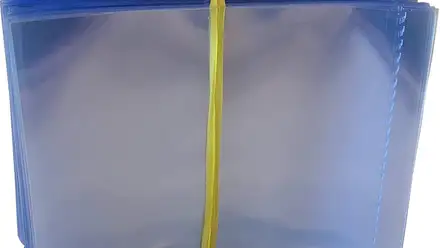
74 pieces in this section.
A child-resistant cap is wider than its thread size suggests, so the band has to be sized to the closure. Measure the cap, confirm the neck bead, and test on filled bottles.
Printing on the band buys a message, not tamper evidence. Decide whether you need it, then walk the approval chain from unprinted fit test to a shrunk sample on your own container.
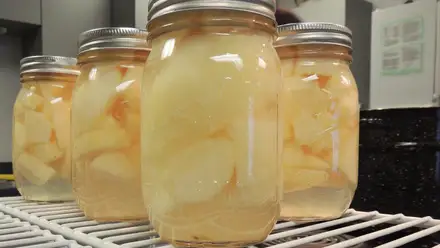
How to size a band for regular-mouth and wide-mouth Mason jars, decide whether it goes over the screw band, and test the setup before you buy in volume.
Air, water, or manual: match the cleaning job to the bottle and the next process

Match the closure, bottle support and torque process before you buy

Match the cap, liner, output and process before you buy

A small-batch guide to manual, pre-cut and automatic cap lining
A geometry-first troubleshooting guide for small candle brands applying pressure-sensitive labels to glass jars.

A risk-based shipping and package test guide for small candle sellers.

A buyer guide to supplier evidence and finished-candle testing for glass candle containers.

Choose the cover by fit and customer use before comparing unit prices.

Buy for the measurement position and recording task before comparing display features.
A sourcing guide for small candle brands: build a packaging system, not just a branded box.

A supplier-ready specification for custom candle packaging inserts.
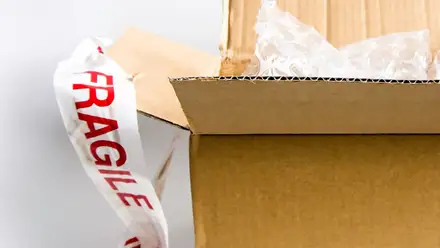
A buyer-side test plan for matching a real spice blend, a 100 g target and a premade pouch to a compact auger dosing workflow.

Match the electrode to the sauce, define a repeatable sample method, and test the meter with the product you actually make.
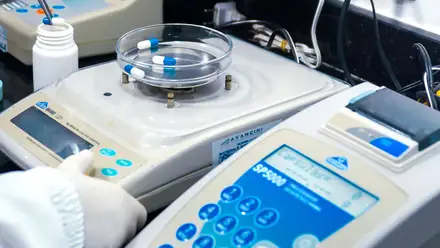
A practical trial plan for small-batch producers filling dry seasoning into rigid bottles with a narrow neck.
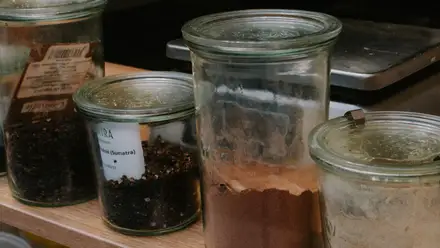
A qualification guide for small-batch roasters choosing a hand impulse sealer for valved, gusseted coffee pouches.

Selecting a repeatable single-head method for 5 fl oz hot sauce bottles — dose, sauce texture, fill temperature, and cleanup.
A practical guide to gross-leak checks, seal strength, and one-way degassing valves for small roasters.

A practical buying guide for small roasters using pre-made flexible pouches: measure the job, match the applicator to the pouch, and qualify adhesion on the real bag.
A practical guide to marking roast dates and batch codes on premade coffee pouches.
A practical decision guide to net weight, spot checks and in-line inspection for small coffee packing benches.

A band sealer is sensible when the sealing step is the measured bottleneck — not because it is called continuous. Test the exact pouch and compare accepted bags per hour.

The lock stops the trigger from moving. It does not prove that the filled package will stay dry.

A one-way degassing valve can be added to some coffee pouches after the bag has been made, but the words 'valve applicator' do not prove that a machine will work with your pouch.
A measurement guide for small-batch brands specifying a repeatable dose from a trigger sprayer.

A buyer-side method for comparing trigger sprayers with the intended formula

A fit-check guide for buyers replacing or sourcing a 28 mm trigger sprayer.

Use the closure sealing surface as the measurement datum, then approve the actual tube in the intended bottle and formula.

A small-run buyer guide to choosing a date and batch coder that matches how bottles move through the work area.
Confirm the full neck finish and test the complete assembly before placing a production order.

Match the test method to the package before buying an instrument
A practical setup and verification workflow for threaded bottle closures
A small-batch buyer guide to checking the bottle finish, pump ferrule, head configuration, and first-run seal before ordering.

A practical weighing method for matching the actual liquid to a repeatable target

A troubleshooting guide that starts at the first point of failure

A practical FAT plan for small-batch buyers

A practical checklist for matching the label, roll, and machine before you approve a print run

A package-specific changeover method for small runs: set up the bottle and closure, establish a repeatable removal-torque result, adjust one machine variable at a time, and keep the finished pack within its approved specification.

What to specify before buying a front-and-back labeling machine

Specify the label web and test the actual roll before purchase
A practical fit check for bottle geometry, label shape, and tabletop application

A practical method for checking whether threaded closures open consistently across a packaging run—and how to choose a manual tester without buying the wrong range or fixture.

Choose by the work the operator still has to do, the label result you need, and whether application is actually slowing the batch.
A practical guide to matching the foil liner, closure and glass finish before a production run.

A practical buyer guide for choosing and validating induction liners for powders, capsules and dry products where rim dust, moisture pickup, headspace and fill-line behavior can matter more than liner diameter alone.
A practical buyer guide for choosing lift-tab, pull-tab and ring-peel induction liners without weakening the seal, confusing opening behavior, or paying for a feature the package does not need.

A practical buyer guide for specifying induction liners on wide-mouth jars, tubs and large caps where rim flatness, land width, contamination, cap pressure and induction-head coverage matter more than diameter alone.

A practical buyer guide for printed foil seals, registered artwork, random safety messages, MOQ, print-contact risk and the production checks that decide whether printed induction liners are worth specifying.
A buyer-focused guide to deciding whether a sealed bottle should vent, what membrane data actually matters, and how to validate pressure relief without creating a leak path.

A practical comparison for buyers deciding whether a cap-applied adhesive liner is enough, or whether the package needs a true induction-sealed foil membrane and a controlled sealing process.

A practical approval workflow for proving that a liner works with the real bottle, cap, product and sealing process before you commit to production quantity.

A procurement guide for separating container-resin compatibility from product-side chemical resistance, and for specifying a liner that survives real oils, solvents, surfactants and aggressive formulations.

A buyer-focused comparison of reusable foam compression liners and induction-sealed foil membranes, with the decision anchored in resealability, tamper evidence, barrier needs, transport risk and line capability.

A practical packaging guide for capsules, tablets, gummies and powders: decide what the neck band should do, when an induction seal is a separate requirement, and why child-resistant packaging must be evaluated independently.
A practical sample-approval workflow for tamper-evident neck bands and sleeves: test the actual package, separate fit from appearance, document what passed, and turn one good sample into a reproducible production specification.

A practical sourcing guide for small-batch and growing packaging operations: understand what changes when you buy individual flat-cut bands, shaped preforms, or continuous rollstock, and match the supply format to your container, labor, equipment, and order volume.
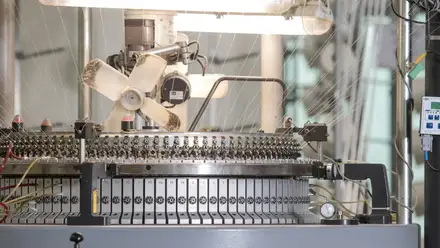
A practical buyer guide to what stays on the bottle, what stays in the cap, when a secondary backing is useful, and how to validate the complete closure system before bulk ordering.
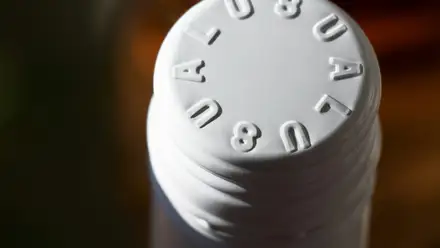
A practical automation guide for tamper-evident neck bands: measure the real manual bottleneck, understand what an automatic band applicator actually does, and decide when labor, line speed, repeatability, ergonomics and changeover justify the equipment.
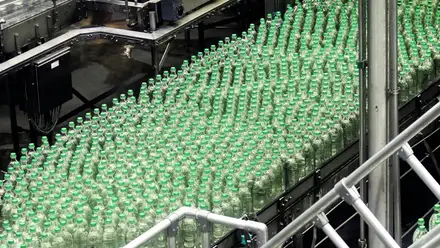
A symptom-first diagnostic guide for separating liner, cap, bottle, product and machine problems before you keep turning up the power.
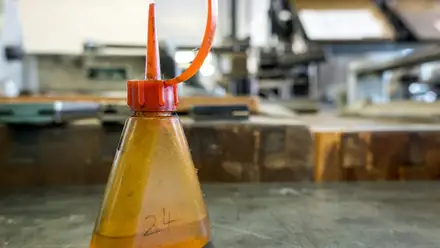
A practical sizing guide for buyers who need the foil disc to fit the cap correctly, cover the sealing land, and match the actual bottle-and-closure system rather than a single nominal diameter.

A practical buyer guide to matching the heat-seal layer, container material, product chemistry, closure and induction process before you order foil liners by the thousand.

A practical storage guide for tamper-evident neck bands and shrink sleeves: understand why heat-sensitive film changes in the warehouse, why shelf-life numbers vary by supplier, and how to decide whether older stock is still safe to run.

A buyer guide to clean-peel, residue/tamper-evident and weld-style induction seals — and why opening behavior is a separate decision from one-piece vs two-piece construction.

A practical buyer guide for lotion pumps, treatment pumps, fine-mist sprayers and trigger sprayers: decide when a neck band will work, how to size it around an asymmetric dispenser, and when another tamper-evident or transit-control feature is the better choice.

A practical guide for food jars, honey jars, cosmetic jars, spice jars, and Mason-style containers: measure the real lid geometry, choose the right band height, and keep tamper evidence separate from the jar's primary seal.

A small-batch buyer guide for woozy bottles and other sauce bottles: measure the closure system, choose the right band height, avoid common sizing traps, and validate the complete package before production.

A practical small-batch guide for serum, tincture, essential-oil, and cosmetic dropper bottles: measure the assembled closure, protect the bulb and pipette, and validate the tamper bridge before production.
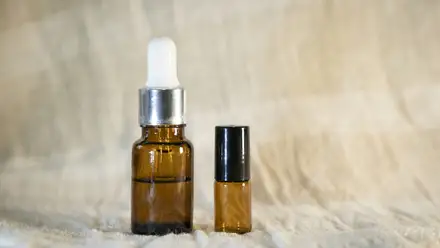
A buyer guide to converting mil, gauge, micrometers, and millimeters — and to keeping film thickness separate from shrink rate, shrink tension, material, and final package fit.
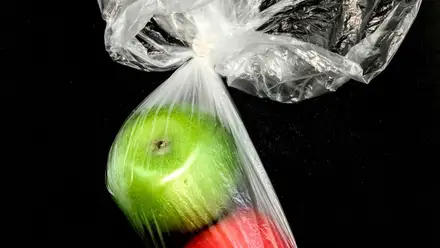
A buyer guide to understanding what 50%, 60%, or 75% shrink actually means — and why shrink percentage is a material/process specification, not a substitute for lay-flat sizing or package trials.
A practical buyer guide to choosing a tear path that survives shrinking and shipping, opens without tools, and leaves clear visible evidence of first opening.

A practical buyer guide for adding logos, colors, text, and tamper messaging to bottle and jar neck bands without confusing a printed neck band with a full-body shrink sleeve.
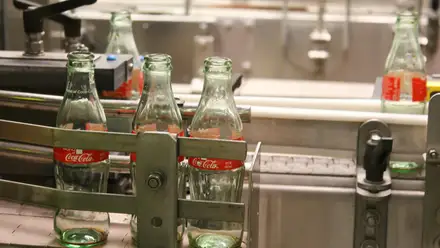
A practical measurement and sizing guide for tamper-evident neck bands, with formulas, worked examples, a lay-flat calculator, and a supplier-check checklist.
