Shrink Bands for Supplement Bottles: Size by Cap, Neck Bead & Seal Setup
A child-resistant cap is wider than its thread size suggests, so the band has to be sized to the closure. Measure the cap, confirm the neck bead, and test on filled bottles.
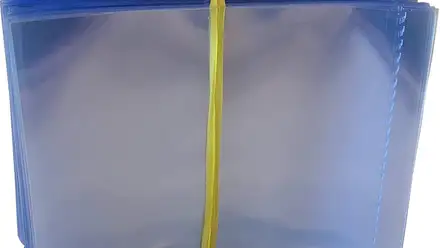
97 posts.
A child-resistant cap is wider than its thread size suggests, so the band has to be sized to the closure. Measure the cap, confirm the neck bead, and test on filled bottles.
Printing on the band buys a message, not tamper evidence. Decide whether you need it, then walk the approval chain from unprinted fit test to a shrunk sample on your own container.

A pad that has shifted out from under the washer is a symptom, not the diagnosis. Check the machine is stable and the foot fits the cup before buying a grippier set.

A mat that holds a puddle is failing at one of three points: the counter does not drain toward the bowl, the mat is set the wrong way, or its outlet is blocked.

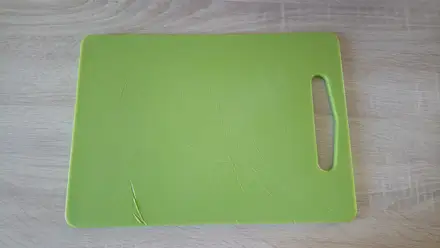
Most boards move because of a film of water or oil, a warped corner, or an overhang, not because the board is light. Find the cause, then pick a damp cloth or a grip pad.
The cord that holds the mesh is sized to the frame groove, not to the window. Read the failure pattern, measure the channel, and test a few inches before you roll a whole screen.

A heavier rug does not fix a rug that creeps across a wet tile floor. Separate what is moving, match the fix to the floor material, and recheck after every wash.

A damp towel fixes an occasional slip in seconds. For daily prep, the setup has to hold a board flat, cover enough of its footprint, and survive raw-meat cleanup.

Before you reach for glue, work out whether the sheet, the contents or the drawer front is moving. Then clean, dry, fit and only then add restraint.

Pressing a failed strip back on rarely fixes the cause. Read the failure pattern, measure the gap, and decide whether the door wants an adhesive lip or a mechanically retained seal.

A pad that lets go is telling you which part failed. Read the residue, prepare the foot properly, and decide when a fitted sleeve or a mechanical glide is the better answer.

How to size a band for regular-mouth and wide-mouth Mason jars, decide whether it goes over the screw band, and test the setup before you buy in volume.
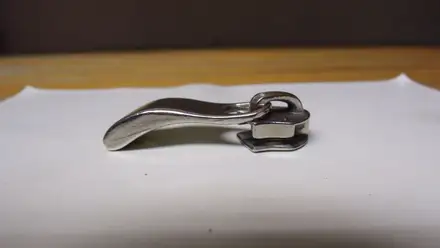
A number on the slider is only part of the match. Identify the chain type, confirm the size, then check direction, slider function and end parts before buying a kit.
Measure the seam at the front, middle and back on both sides, then match the profile. A strip bridges a gap; it does not level a range that sits too high.

Tine caps only work when the rust is limited to a few exposed tips and the wire is still firm. Check the opening, length and shape of the tine before ordering a pack.

A catcher that works with a raised pop-up stopper sits over the drain, not inside it. Identify the mechanism, then measure the flat area and cap height before ordering.

A pod used as directed is designed to dissolve during the wash. Standing water and a backed-up sink point at the drain path, not the film on the pod.
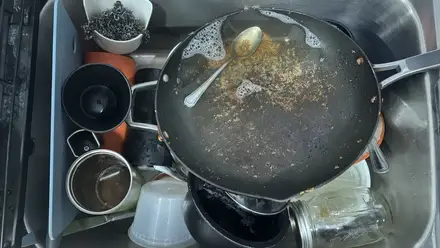
A pod left in the dispenser or sitting in the tub is a clue about which part of the wash failed. Work through the checks in order, one change at a time.
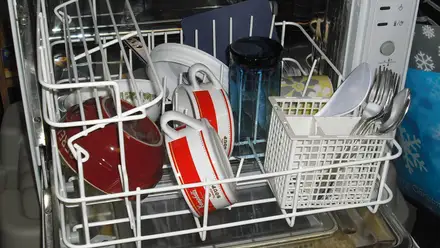
A stopper that pops back up is usually an adjustment, debris, or a worn seal. Identify the mechanism first, then decide whether to fix or replace.

A suction shelf that drops is usually a surface or load problem, not a bad cup. Diagnose the wall, clean the contact area, and pick the right mounting method.

A sour smell usually means residue on the splash guard or in the grind chamber, not a failed motor. Find the source first, then clean it safely.
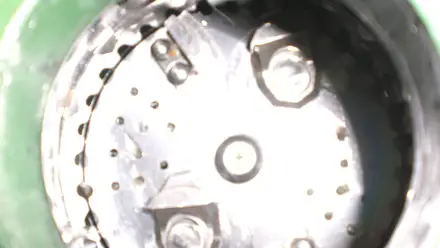
Check the tub surface and the liner fit before buying anything. Weighted hems and magnets fail for different reasons.

A clothes brush and a chamber roller solve different problems. Match the mechanism to the surface you actually clean, then check how it empties.

Lift each flap, scrub both sides with dish soap, and keep your hand out of the opening. A tablet treats a different problem.

Felt and rubber solve different problems on vinyl. Check the flooring maker's instructions, the movement you actually want, and the contact surface.

Match the brush head to the channel under the lid, check whether the gasket comes out, and plan how the brush itself gets cleaned.
Measure the interface, the shape and the contact angle, then read the chart for the exact variant before ordering a set.
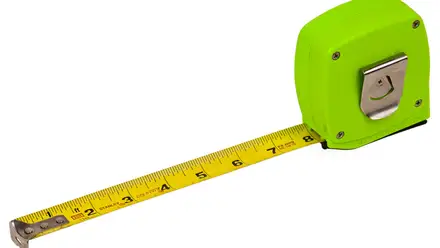
Diagnose slipping felt, prepare the foot properly, and choose between adhesive pads, fitted caps and mechanical glides.

Work from the leak location to the connection and then to the seal, and buy only the part you can actually identify.

Compare the two ratings on measured flow, rinse time and hot-water waiting rather than on the litre-per-minute number alone.
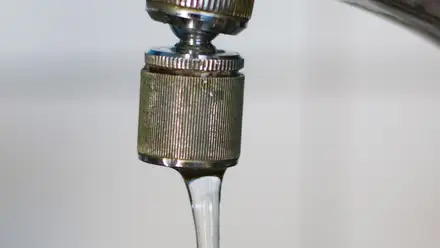
Tell a Cache insert from other concealed outlets, remove it without damaging the spout, and match the right replacement.
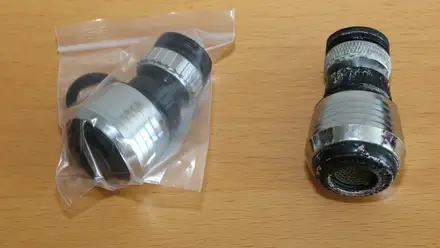
A repeatable sequence for finding out why a cleaned aerator blocks again, and when replacement is the right answer.

Why suction cups fail on a textured tub floor, and which fixes actually change the outcome.

A dry-first method for lifting the gray fuzz and trapped hair at the bristle roots, with brush-specific limits for water and cleaning tools.
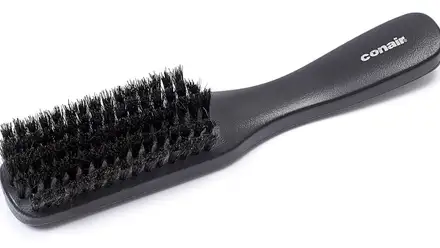
A careful, model-first method for clearing wrapped hair, checking the ends, and knowing when to stop.
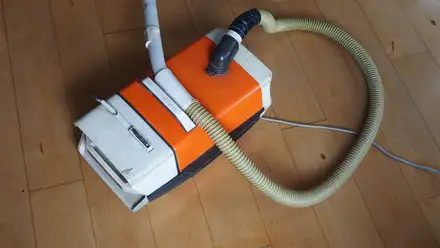
A dry, surface-first method for woven upholstery, seams and seat bolsters.

A model-first routine for the straw bore, bite valve, lid channels and gaskets of a reusable bottle.
A practical troubleshooting guide for damp, twisted bedding

A model-first cleaning guide for trapped residue, musty odor, and stubborn dark marks
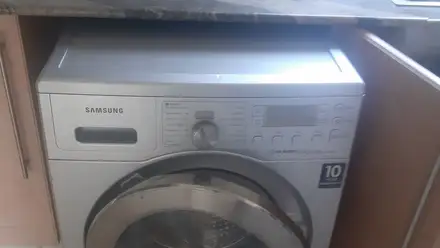
Match the catcher to the drain you actually have, measure the landing area, and keep the water path open.

Loosen embedded dog hair, gather it, and vacuum it up — without fuzzing the carpet or reaching for the wrong tool.
A reliable seal, a dry cupboard and the right saver matter more than any rescue trick for hardened brown sugar.
Match grippers to the sofa's feet, check floor compatibility, and choose between cut-to-fit pads, adhesive pads and a rug setup.

A practical fit check for sheets that stay on a flat mattress but pull loose when the head or foot moves

A fit and fastening guide for an insert that slides or gathers after you make the bed

Fold it flat when the garment is wet or heavy; use a fold-over method only when closet space makes hanging necessary
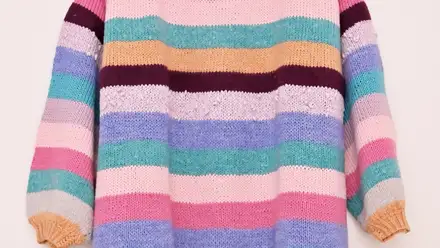
A repair guide for an intact pulled loop and the tight stitches around it
Match the cap, liner, output and process before you buy

A small-batch guide to manual, pre-cut and automatic cap lining

A careful spot-treatment guide for foundation, powder, lipstick and mascara on delicate knitwear

A damage-first recovery guide for mild shrinkage, distortion and possible felting
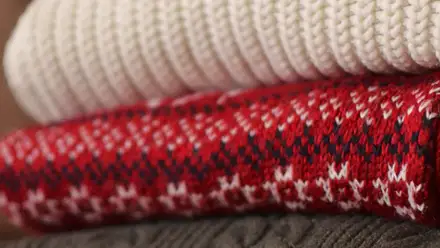
A wear-vs-wash decision guide for sweaters, cardigans and scarves
A targeted recovery guide for loose cuffs, necklines, shoulders and elbows

A softness-recovery and damage-diagnosis guide for stiff, itchy or rough knitwear
A wool-safe troubleshooting guide for body odor, wet-wool smell and detergent residue
A safe winter guide to static dry air fabric blends and anti static products
A safer spot treatment guide for sweat deodorant residue and set in discoloration
A practical guide to towel rolling airflow and choosing a sweater drying rack
A practical decision guide for small moth holes snags and worn knitwear

A practical storage plan for moth prevention moisture control and small batch sourcing

A practical decision guide for removing pills without cutting away useful fibers.

A care-label decision guide for washing, drying and buying the right support tools.
A dry-first buyer guide for removing embedded fur while protecting a textured upholstery surface.

A fabric-safe decision guide for dark seating areas, water rings, and compressed loops.

A practical guide to matching the foil liner, closure and glass finish before a production run.

A practical buyer guide for choosing and validating induction liners for powders, capsules and dry products where rim dust, moisture pickup, headspace and fill-line behavior can matter more than liner diameter alone.
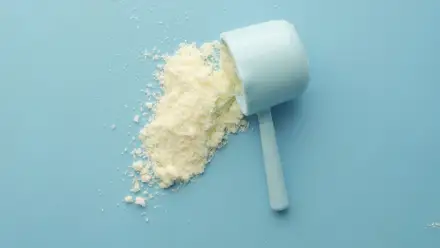
A practical buyer guide for choosing lift-tab, pull-tab and ring-peel induction liners without weakening the seal, confusing opening behavior, or paying for a feature the package does not need.

A practical buyer guide for specifying induction liners on wide-mouth jars, tubs and large caps where rim flatness, land width, contamination, cap pressure and induction-head coverage matter more than diameter alone.

A practical buyer guide for printed foil seals, registered artwork, random safety messages, MOQ, print-contact risk and the production checks that decide whether printed induction liners are worth specifying.
A buyer-focused guide to deciding whether a sealed bottle should vent, what membrane data actually matters, and how to validate pressure relief without creating a leak path.

A practical comparison for buyers deciding whether a cap-applied adhesive liner is enough, or whether the package needs a true induction-sealed foil membrane and a controlled sealing process.

A practical approval workflow for proving that a liner works with the real bottle, cap, product and sealing process before you commit to production quantity.

A procurement guide for separating container-resin compatibility from product-side chemical resistance, and for specifying a liner that survives real oils, solvents, surfactants and aggressive formulations.

A buyer-focused comparison of reusable foam compression liners and induction-sealed foil membranes, with the decision anchored in resealability, tamper evidence, barrier needs, transport risk and line capability.

A practical packaging guide for capsules, tablets, gummies and powders: decide what the neck band should do, when an induction seal is a separate requirement, and why child-resistant packaging must be evaluated independently.
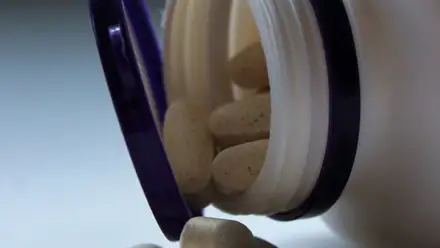
A practical sample-approval workflow for tamper-evident neck bands and sleeves: test the actual package, separate fit from appearance, document what passed, and turn one good sample into a reproducible production specification.

A practical sourcing guide for small-batch and growing packaging operations: understand what changes when you buy individual flat-cut bands, shaped preforms, or continuous rollstock, and match the supply format to your container, labor, equipment, and order volume.

A practical buyer guide to what stays on the bottle, what stays in the cap, when a secondary backing is useful, and how to validate the complete closure system before bulk ordering.
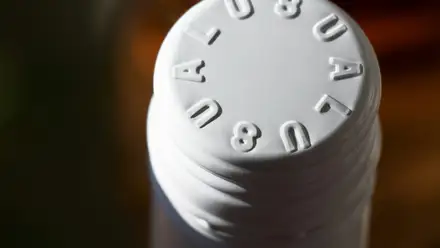
A symptom-first diagnostic guide for separating liner, cap, bottle, product and machine problems before you keep turning up the power.
A practical sizing guide for buyers who need the foil disc to fit the cap correctly, cover the sealing land, and match the actual bottle-and-closure system rather than a single nominal diameter.
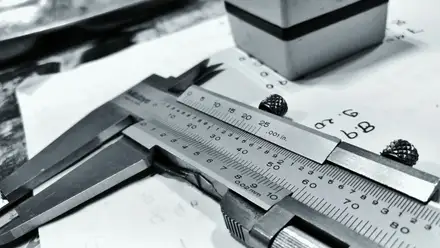
A practical buyer guide to matching the heat-seal layer, container material, product chemistry, closure and induction process before you order foil liners by the thousand.

A practical storage guide for tamper-evident neck bands and shrink sleeves: understand why heat-sensitive film changes in the warehouse, why shelf-life numbers vary by supplier, and how to decide whether older stock is still safe to run.

A buyer guide to clean-peel, residue/tamper-evident and weld-style induction seals — and why opening behavior is a separate decision from one-piece vs two-piece construction.

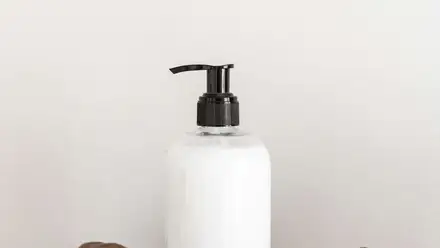
A practical buyer guide for lotion pumps, treatment pumps, fine-mist sprayers and trigger sprayers: decide when a neck band will work, how to size it around an asymmetric dispenser, and when another tamper-evident or transit-control feature is the better choice.
A practical guide for food jars, honey jars, cosmetic jars, spice jars, and Mason-style containers: measure the real lid geometry, choose the right band height, and keep tamper evidence separate from the jar's primary seal.

A small-batch buyer guide for woozy bottles and other sauce bottles: measure the closure system, choose the right band height, avoid common sizing traps, and validate the complete package before production.

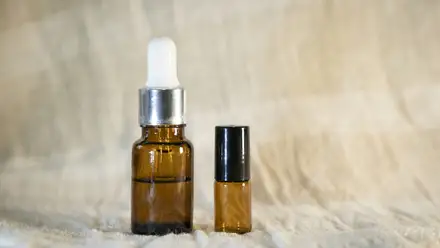
A practical small-batch guide for serum, tincture, essential-oil, and cosmetic dropper bottles: measure the assembled closure, protect the bulb and pipette, and validate the tamper bridge before production.
A buyer guide to converting mil, gauge, micrometers, and millimeters — and to keeping film thickness separate from shrink rate, shrink tension, material, and final package fit.
A buyer guide to understanding what 50%, 60%, or 75% shrink actually means — and why shrink percentage is a material/process specification, not a substitute for lay-flat sizing or package trials.
A practical buyer guide to choosing a tear path that survives shrinking and shipping, opens without tools, and leaves clear visible evidence of first opening.

A practical buyer guide for adding logos, colors, text, and tamper messaging to bottle and jar neck bands without confusing a printed neck band with a full-body shrink sleeve.

A practical format-selection guide for small-batch bottle and jar packaging, covering tamper evidence, 360-degree decoration, production complexity, fit, artwork, and recycling considerations.

A small-batch buyer guide to visible tamper evidence, inner sealing, leak control, package compatibility, and when the two systems belong on the same bottle.

A defect-based diagnostic guide for small-batch bottle and jar packaging: identify the symptom, isolate the cause, change one variable, and know when the band itself must change.

A practical measurement and sizing guide for tamper-evident neck bands, with formulas, worked examples, a lay-flat calculator, and a supplier-check checklist.

A practical decision guide for small-batch bottle and jar packaging, focused on opening behavior, tamper evidence, production risk, and supplier specifications.

A practical heat-gun method for small-batch bottles and jars, with fit checks, defect diagnosis, and a repeatable production SOP.