Chenille Sofa Pet Hair: 6 Tool Decisions Before You Scrape the Nap
A dry-first buyer guide for removing embedded fur while protecting a textured upholstery surface.
 Lena Schmidt
Disclosure: We may earn a commission if you purchase through links on this page, at no additional cost to you.
Quick answer. The safest starting point for pet hair on a chenille sofa is dry removal with light pressure: read the care label, vacuum with a suitable upholstery attachment, then use a soft rubber or silicone tool only where hair remains. Keep the fabric taut, work in one direction, and stop if the nap changes, catches or begins to pull. Water, steam and aggressive brushing are later decisions, not the first response to visible fur.
Chenille is difficult because the surface is textured rather than flat. A loose hair can sit on top, catch between tufts, or become mixed with dust and skin oil. Those situations look similar from across the room but need different tools. The goal is not to make one tool win every comparison; it is to match the least aggressive tool to the layer of hair you actually have.
This guide focuses on a chenille sofa or cushion with ordinary pet hair. It does not approve a particular fabric, cleaner or tool for every upholstery construction. Check the manufacturer label, test an inconspicuous area and treat any damage, stain or odour as a separate problem.
Why Chenille Needs a Gentler Sequence
Chenille upholstery is made from yarn and a fabric construction that gives the surface its raised, soft appearance. Research on chenille upholstery fabrics has linked abrasion behavior to yarn properties, pile length and weaving construction. [1] That does not mean every chenille sofa is fragile; it means the surface response depends on the actual textile. A hard edge pulled repeatedly across one area can change the nap even when the same tool works well on a tight car carpet.
Pet hair also travels with household dust and allergens. Reviews of indoor allergen exposure identify woven upholstered furniture as a reservoir, and research finds cat and dog allergens across indoor environments. [2] [3] Removing dry debris regularly is therefore a maintenance decision, while allergen control requires broader cleaning and household measures. Do not promise that a pet-hair tool will solve an allergy problem by itself.
The Six Tool Decisions That Prevent Most Mistakes
| Tool or action | Best use | Main limitation |
|---|---|---|
| Upholstery vacuum attachment | Loose surface hair, seams and crumbs | Can miss hair that is mechanically caught |
| Soft upholstery brush | Lifting hair while keeping the contact gentle | A stiff brush can roughen or flatten the nap |
| Rubber or silicone scraper | Small stubborn patches on taut cushions | Too much pressure can drag or polish the surface |
| Reusable fabric roller | Quick maintenance on broad, firm surfaces | May not reach deep gaps or loose covers |
| Sticky lint roller | Last-pass pickup of loose residue | Adhesive can tug at loops and creates consumables |
| Damp cloth, spray or extractor | Only after label and spot test allow it | Moisture can set a mixed hair-and-soil film or create rings |
Use this table as a sequence, not a shopping list. Most chenille sofas need the first two steps routinely. A rubber tool is a targeted intervention. A roller is convenient for maintenance. Wet methods belong to a separate stain or odour plan and should follow the cleaning code.
A Dry-First Workflow for a Chenille Sofa
1. Find the care code and identify the surface. Look under a cushion, behind the skirt or in the care documents. Common upholstery codes distinguish water-based methods, solvent-based methods, both, or vacuum-only care. The Association for Contract Textiles explains W, S, WS and X codes in its cleaning guidance. [4] If the label is missing, treat the fabric as unknown and keep the first pass dry. Check whether the cover is removable, whether the chenille is cut or looped, and whether the seat can be kept taut.
2. Remove loose debris before rubbing. Take off throws and cushions if the manufacturer permits it. Use the upholstery attachment rather than a bare floor head, and keep the nozzle moving in slow overlapping passes. Clean seams and gaps with a crevice tool held close without dragging the plastic edge across the face fabric. If the vacuum brush roll is collecting long hair, stop and clear it; pressing a wrapped roll against the sofa only redistributes the problem.
3. Test direction and pressure on a hidden area. Choose a hidden seam or the back of a cushion. Make one light pass with the proposed brush or rubber tool, then inspect the nap from two angles. You are checking for snagging, visible shine, colour transfer and a change in lay. A tool that removes hair but leaves a flattened strip is not a good fit for that fabric.
4. Loosen embedded hair with one-way passes. Keep the cushion firm and pull the tool toward you in short, parallel strokes. Work with the nap first; if that leaves hair behind, try a second direction on the test area before increasing pressure. The aim is to gather hair into a clump at the surface, not scrape until the cloth feels smooth. Pick up clumps by hand or vacuum them rather than sweeping them into another seam.
5. Finish with a low-contact pickup. After the stubborn patches are gone, use a reusable roller or a light vacuum pass to collect residue. A disposable sticky roller can help on a small area, but do not repeatedly press and peel it over raised loops. Empty reusable tools outside the living room if possible, and clean their contact surface before the next pass so old grit does not become an abrasive.
6. Recheck after the fabric settles. Wait until the surface has returned to its normal lay. Inspect in side light, where flattened tracks and pulled tufts are easier to see. If hair returns quickly, change the maintenance interval or add a washable pet throw; increasing pressure is usually the wrong correction. Grooming, pet bedding and room vacuuming also affect how much hair reaches the sofa.
When a Rubber Tool Helps — and When It Is the Wrong Choice
Rubber and silicone tools work by increasing contact and gathering strands into lines or clumps. They are useful when the hair is short, dry and caught in the surface, especially on a firm cushion. They are less useful when the cover is loose, the nap is already worn, or the “hair” is actually a mix of oily soil and fibres. In those cases, scraping can spread the film or catch the yarn.
Do not use a sharp edge, metal rake or fabric shaver to solve a pet-hair problem. A fabric shaver cuts pills; it is not designed to collect animal hair and can remove surface fibres from textured upholstery. Likewise, do not wet the sofa just to make hair clump unless the care code and a hidden-area test support that method. Moisture can turn dust, oil and hair into a residue that is harder to remove.
Stop Signs That Mean “Pause,” Not “Scrub Harder”
| Stop sign | What it may indicate | What to do instead |
|---|---|---|
| The nap flattens or shines | The tool or pressure is changing the surface | Change tool or direction; recheck on a hidden area |
| Loops begin to pull or snag | The contact tool is catching the construction | Stop; remove only loose hair by hand |
| Colour transfers to a white cloth | Dye or finish is unstable | Stop wet or abrasive work and contact the maker |
| Odour remains after dry removal | Hair is not the only source | Investigate the cushion, cover and cleaning code |
A hidden-area test is a screening step, not a guarantee. Repeated passes, pressure, grit and a different part of the sofa can change the result. If the nap is already damaged or the sofa has a valuable or unusually delicate textile, a professional upholstery cleaner is a more defensible choice than experimenting with increasingly aggressive tools.
Choosing a Consumer Tool Versus a Sourcing Sample
For one household, the decision is usually about speed, reach and contact pressure. A reusable roller is convenient for broad cushions; a detail brush or rubber scraper is better for hair caught along seams and edges; a vacuum attachment is the least manual option for loose debris. The retail candidate below is included as a consumer-ready role; confirm the live listing, exact head material and current instructions before purchase.
For a retailer, cleaning brand or small-batch bundle, the decision changes. Ask for material, dimensions, edge hardness, packaging, MOQ, sample lead time and customization. Request samples on a scrap of the target chenille before approving a logo or a production run. “Works on sofas” is not enough if the tool leaves a track on a raised nap.
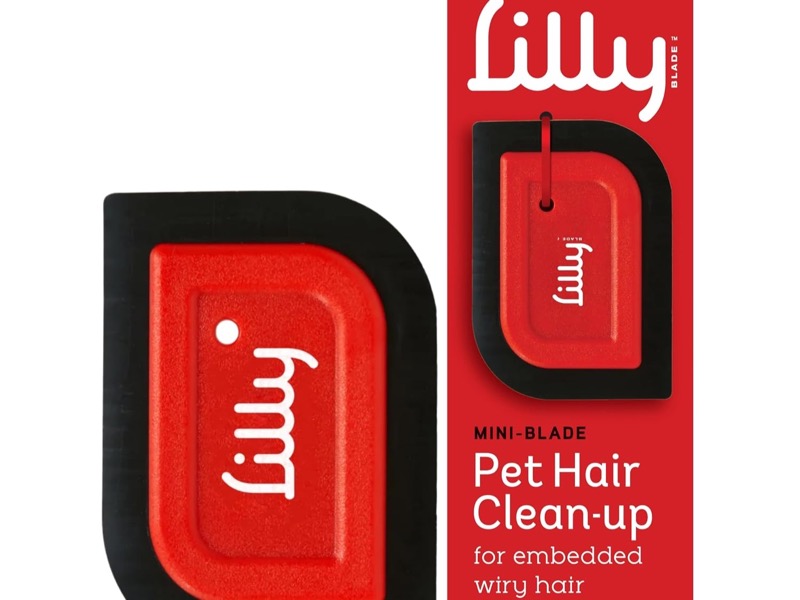
Lilly Brush Mini Pet Hair Detailer
A reusable pet-hair detailer listed for car interiors, carpets, couches and furniture. For chenille, prioritise a controlled test and a low-pressure technique over any headline claim about removing every strand, and check the current listing identity, dimensions, material and return terms on the destination page.
Best for: A small-area detail pass on seams and edges where loose hair has already been removed by vacuum.
- Reusable detail tool
- Small-area pickup
- Test on a hidden seam first
- MOQ
- Retail single unit
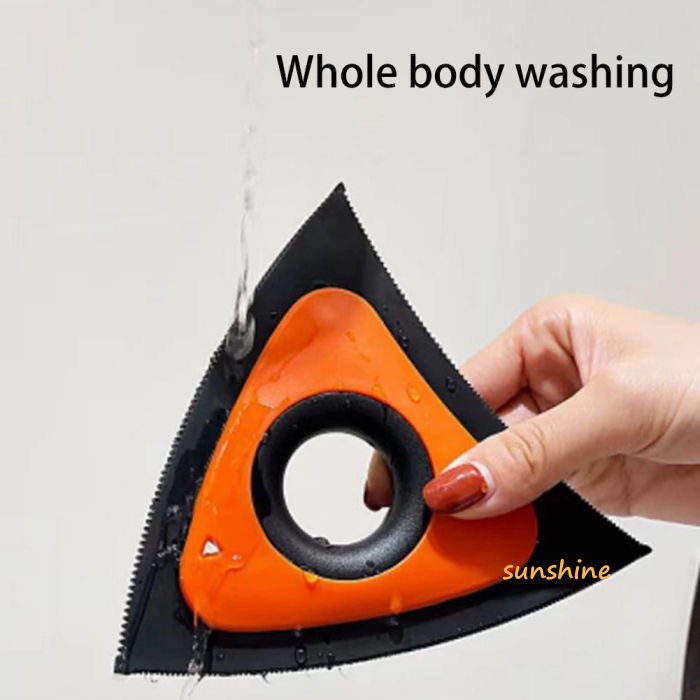
Pet Hair Removal Brush
A pet-hair removal brush listing for cats and furniture. Use it as a sample route for a reusable hand tool: ask the supplier for the exact material, edge profile, hardness, size, packaging and sample options, then test it on the target fabric in the direction and at the pressure this guide recommends.
Best for: A batch or OEM sample route for a reusable hand tool, tested on your target fabric before ordering.
- Reusable hand tool
- Batch / OEM route
- Test on target fabric first
- MOQ
- Check current listing
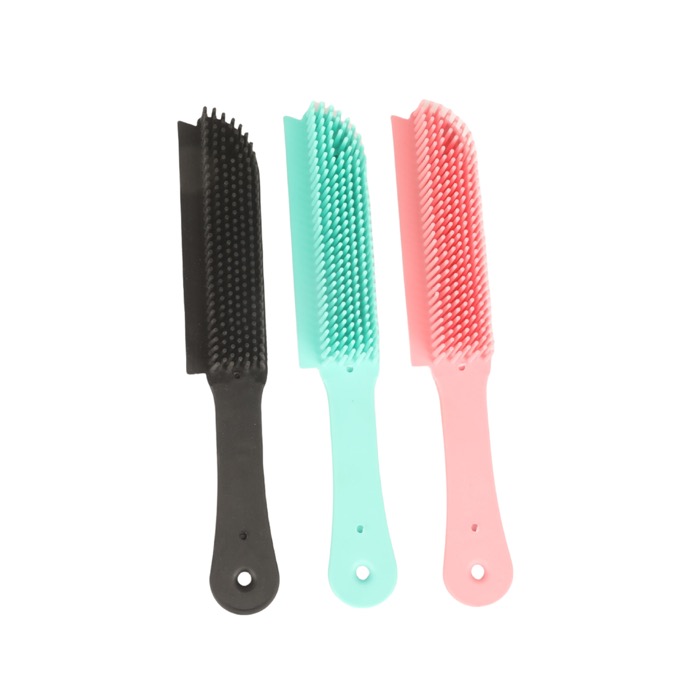
Portable Pet Hair Remover / Fluff Cleaner
A portable pet-hair remover listing intended for furniture and other textiles. Request a sample before discussing a larger order, and ask whether the production material, handle and edge geometry can change between listed variants. Keep supplier claims attributed to the listing until you receive evidence or test results.
Best for: A comparison route for a portable tool intended for furniture and other textiles.
- Portable pet-hair tool
- Furniture / textile role
- Confirm variant and materials
- MOQ
- Check current listing
Questions Buyers Ask Before They Start
Can I use a normal vacuum on chenille? Usually begin with a suitable upholstery attachment and low, controlled contact, but follow the sofa maker’s instructions. Avoid a bare floor head or a rotating brush that catches loops. If the nozzle drags the surface, change the attachment or stop.
Is a damp rubber glove better than a dry brush? Not automatically. A slightly damp tool can gather hair, but it also changes the surface and can combine hair with soil. Use moisture only when the care code permits it and a hidden-area test shows no transfer, ring or texture change.
Why does the sofa look worse after vacuuming? The nap may be lying in a new direction, or the nozzle may be pressing hair deeper into the texture. Let the fabric settle, inspect in side light and compare with a hidden area. Change direction and pressure before changing chemicals.
How often should I remove pet hair? Use the shedding level and visible buildup as your guide. Short, light maintenance is generally easier on a textured surface than infrequent aggressive cleaning. If hair returns within hours, address pet bedding, grooming and room dust as part of the routine.
Can I use a lint roller on every chenille sofa? Treat it as a small-area finishing tool, not a universal first step. Adhesive can catch raised fibres, especially on loose or worn covers. Test one pass and stop if the nap lifts or the surface becomes shiny.
A Practical Approval Checklist
Before you buy a tool for a chenille sofa, confirm five things: the care code is known or the fabric is treated as unknown; the tool has no sharp or abrasive edge; a hidden test shows no nap change; the technique gathers hair without repeated hard scrubbing; and the seller provides a clear return or replacement route. For a private-label order, add batch traceability and a written material specification.
The useful result is a repeatable routine: vacuum loose debris, test a gentle contact tool, gather embedded hair in one direction, collect the clumps, and reassess the nap. That sequence solves the common decision problem without pretending that one roller or brush is safe for every chenille construction.
References
- Özdemir, O., Çeven, E., Kalaoğlu, E., and Ulcay, Y. Research on the abrasion behavior and performance of chenille upholstery fabrics.
- Beheshti, R., et al. Minimizing indoor allergen exposure: What works? A review of evidence on household reservoirs and interventions.
- Zahradnik, E., and Raulf, M. Animal allergens and their presence in the environment. Frontiers in Immunology, 2014. DOI: 10.3389/fimmu.2014.00076
- Association for Contract Textiles. Cleaning Resources & Considerations. Upholstery cleaning-code reference for W, S, WS and X.
Hook this up to your favourite commenting platform — Giscus, Disqus, or your own.
Continue reading
Should You Use a Sweater Comb or Fabric Shaver on Wool and Cashmere?
A practical decision guide for removing pills without cutting away useful fibers.
How to Wash a Wool Sweater Without Shrinking It
A care-label decision guide for washing, drying and buying the right support tools.
Bouclé Sofa Discoloration: 6 Checks Before You Use Water, Foam, or a Spot Cleaner
A fabric-safe decision guide for dark seating areas, water rings, and compressed loops.