Garbage Disposal Splash Guard Replacement: Check Fit First
Two guards can look identical in a photo and fit different disposers. Confirm the model, check whether the old guard lifts out at all, and treat universal as a seller's scope claim.
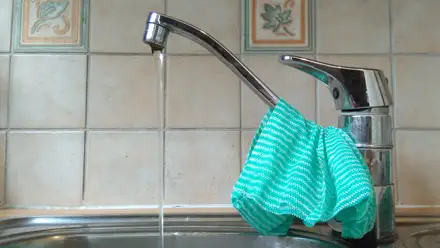
78 posts.
Two guards can look identical in a photo and fit different disposers. Confirm the model, check whether the old guard lifts out at all, and treat universal as a seller's scope claim.
Bag width and length do not tell you whether a refill fits the dispenser. Compare roll diameter, usable width and the core before you buy a multipack.
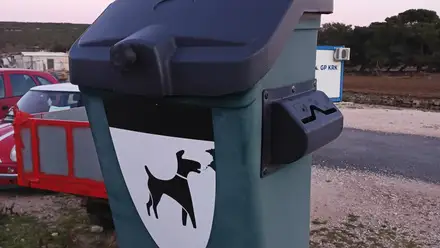
A refill that will not fit is usually the wrong coupling, not a badly made brush. Identify the handle, compare the connector, and dry-fit before you trust the word universal.

Match the part to the model number, not to a photo. Confirm which wheel failed, read the full model number, and check whether the listing is one wheel or a whole assembly.
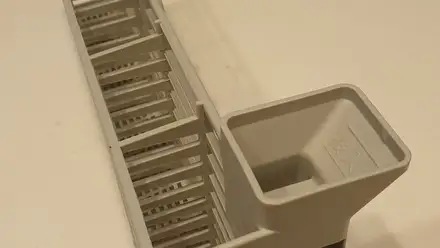
A liner changes what the food sits on. Here is when that costs you crispness, when it is worth the trade, and how to test your own basket instead of trusting a listing.

A reusable K-Cup can fit a Keurig and still be the wrong version for that brewer. Check the model number, the filter generation, and the pod holder before you buy.
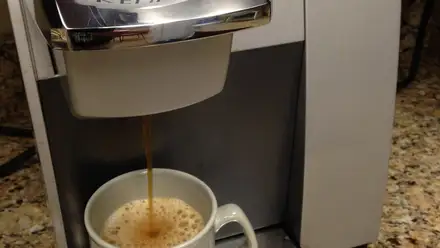
A number on the slider is only part of the match. Identify the chain type, confirm the size, then check direction, slider function and end parts before buying a kit.
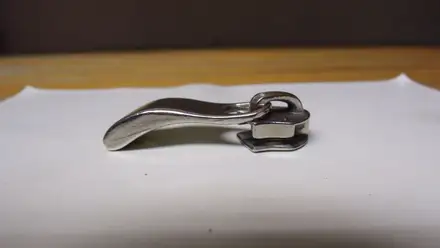
Measure the seam at the front, middle and back on both sides, then match the profile. A strip bridges a gap; it does not level a range that sits too high.

Tine caps only work when the rust is limited to a few exposed tips and the wire is still firm. Check the opening, length and shape of the tine before ordering a pack.

A catcher that works with a raised pop-up stopper sits over the drain, not inside it. Identify the mechanism, then measure the flat area and cap height before ordering.

Flappers are matched to the flush-valve opening, not the width of the rubber. Confirm the leak, measure the right feature, and match the hinge before ordering.
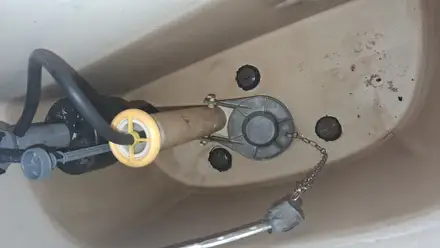
One pod per cycle is the normal starting point, but compact machines, hard water, and small loads each change what you should check before adding a second.

A leak right after a filter change usually starts at the cartridge connection. Reseat it, confirm the part matches the model, then separate a head leak from a dispenser drip.

A liner that lifts is catching the fan's airflow because too much paper is exposed. Check the manual, size the sheet to the basket, and always weigh it down with food.
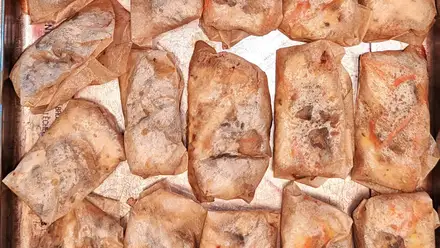
A suction shelf that drops is usually a surface or load problem, not a bad cup. Diagnose the wall, clean the contact area, and pick the right mounting method.

A rack that slides out, sags on one side, or rocks is pointing at a different part each time. Check the rail stop, the wheels, then the adjuster.
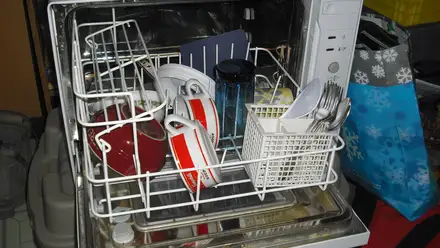
A clothes brush and a chamber roller solve different problems. Match the mechanism to the surface you actually clean, then check how it empties.

Felt and rubber solve different problems on vinyl. Check the flooring maker's instructions, the movement you actually want, and the contact surface.

A basket contains small pieces; a clip holds one in position. Decide which problem you actually have before buying either.

Compare the two ratings on measured flow, rinse time and hot-water waiting rather than on the litre-per-minute number alone.
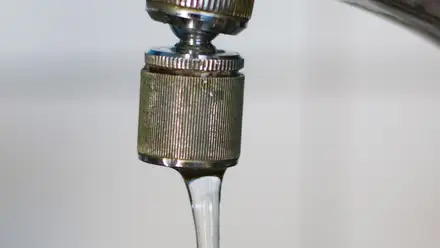
Which attachment actually fixes a short spout: aiming the stream with a swivel aerator, or moving the outlet with an extender.

Why a rug wrinkles on wall-to-wall carpet, and how to choose, size and install a pad that holds it flat.

Match the catcher to the drain you actually have, measure the landing area, and keep the water path open.

Match grippers to the sofa's feet, check floor compatibility, and choose between cut-to-fit pads, adhesive pads and a rug setup.

Fold it flat when the garment is wet or heavy; use a fold-over method only when closet space makes hanging necessary

Air, water, or manual: match the cleaning job to the bottle and the next process

Match the closure, bottle support and torque process before you buy

How to choose mechanical mixing recirculation or air agitation

A careful spot-treatment guide for foundation, powder, lipstick and mascara on delicate knitwear

A damage-first recovery guide for mild shrinkage, distortion and possible felting
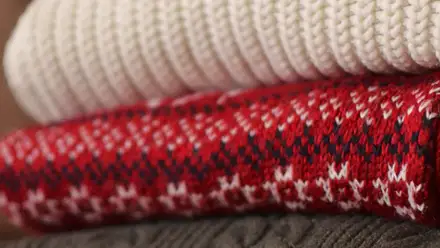
A wear-vs-wash decision guide for sweaters, cardigans and scarves
A targeted recovery guide for loose cuffs, necklines, shoulders and elbows
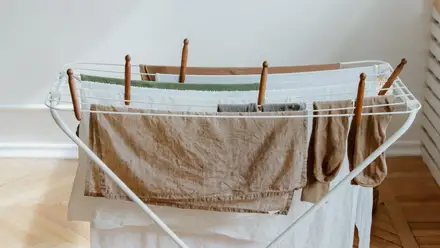
A softness-recovery and damage-diagnosis guide for stiff, itchy or rough knitwear
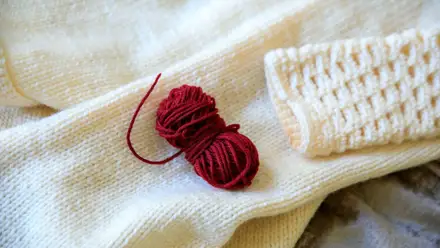
A wool-safe troubleshooting guide for body odor, wet-wool smell and detergent residue
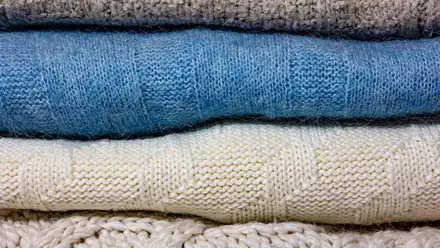
A safe winter guide to static dry air fabric blends and anti static products

A safer spot treatment guide for sweat deodorant residue and set in discoloration
A practical guide to towel rolling airflow and choosing a sweater drying rack
A practical decision guide for small moth holes snags and worn knitwear

A practical storage plan for moth prevention moisture control and small batch sourcing

A practical decision guide for removing pills without cutting away useful fibers.

A care-label decision guide for washing, drying and buying the right support tools.
A dry-first buyer guide for removing embedded fur while protecting a textured upholstery surface.

A fabric-safe decision guide for dark seating areas, water rings, and compressed loops.

A geometry-first troubleshooting guide for small candle brands applying pressure-sensitive labels to glass jars.
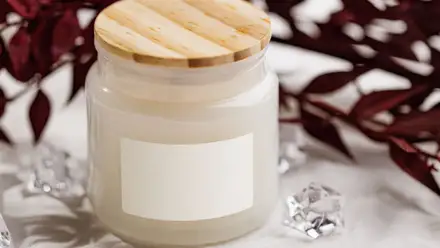
A risk-based shipping and package test guide for small candle sellers.

A buyer guide to supplier evidence and finished-candle testing for glass candle containers.

Choose the cover by fit and customer use before comparing unit prices.

Buy for the measurement position and recording task before comparing display features.
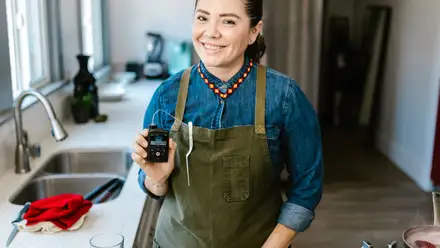
A sourcing guide for small candle brands: build a packaging system, not just a branded box.

A supplier-ready specification for custom candle packaging inserts.
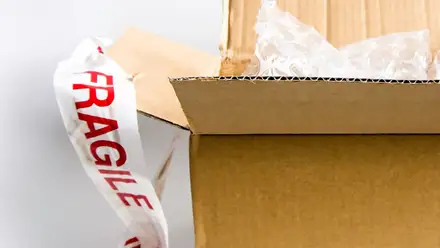
A buyer-side test plan for matching a real spice blend, a 100 g target and a premade pouch to a compact auger dosing workflow.

Match the electrode to the sauce, define a repeatable sample method, and test the meter with the product you actually make.
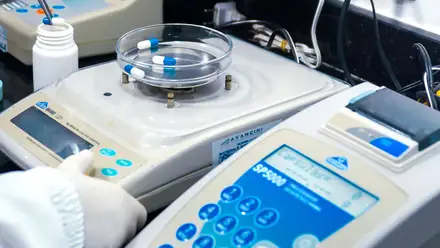
A practical trial plan for small-batch producers filling dry seasoning into rigid bottles with a narrow neck.
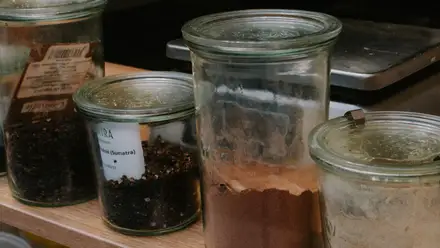
A qualification guide for small-batch roasters choosing a hand impulse sealer for valved, gusseted coffee pouches.

Selecting a repeatable single-head method for 5 fl oz hot sauce bottles — dose, sauce texture, fill temperature, and cleanup.

A practical guide to gross-leak checks, seal strength, and one-way degassing valves for small roasters.

A practical buying guide for small roasters using pre-made flexible pouches: measure the job, match the applicator to the pouch, and qualify adhesion on the real bag.

A practical guide to marking roast dates and batch codes on premade coffee pouches.
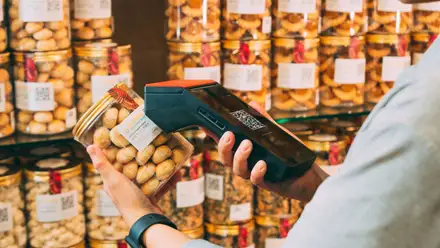
A practical decision guide to net weight, spot checks and in-line inspection for small coffee packing benches.

A band sealer is sensible when the sealing step is the measured bottleneck — not because it is called continuous. Test the exact pouch and compare accepted bags per hour.

A one-way degassing valve can be added to some coffee pouches after the bag has been made, but the words 'valve applicator' do not prove that a machine will work with your pouch.
A fit-check guide for buyers replacing or sourcing a 28 mm trigger sprayer.

A small-run buyer guide to choosing a date and batch coder that matches how bottles move through the work area.
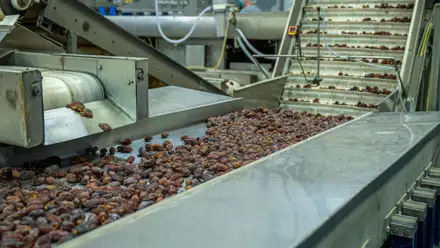
Confirm the full neck finish and test the complete assembly before placing a production order.

A small-batch buyer guide to checking the bottle finish, pump ferrule, head configuration, and first-run seal before ordering.

What to specify before buying a front-and-back labeling machine

A practical fit check for bottle geometry, label shape, and tabletop application

Choose by the work the operator still has to do, the label result you need, and whether application is actually slowing the batch.

A practical buyer guide for choosing lift-tab, pull-tab and ring-peel induction liners without weakening the seal, confusing opening behavior, or paying for a feature the package does not need.

A practical comparison for buyers deciding whether a cap-applied adhesive liner is enough, or whether the package needs a true induction-sealed foil membrane and a controlled sealing process.
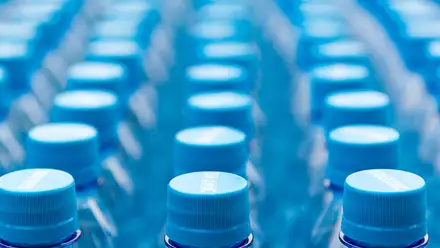
A buyer-focused comparison of reusable foam compression liners and induction-sealed foil membranes, with the decision anchored in resealability, tamper evidence, barrier needs, transport risk and line capability.

A practical sourcing guide for small-batch and growing packaging operations: understand what changes when you buy individual flat-cut bands, shaped preforms, or continuous rollstock, and match the supply format to your container, labor, equipment, and order volume.

A practical buyer guide to what stays on the bottle, what stays in the cap, when a secondary backing is useful, and how to validate the complete closure system before bulk ordering.
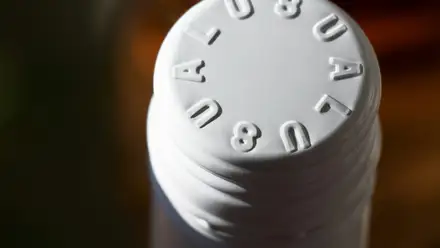
A practical automation guide for tamper-evident neck bands: measure the real manual bottleneck, understand what an automatic band applicator actually does, and decide when labor, line speed, repeatability, ergonomics and changeover justify the equipment.
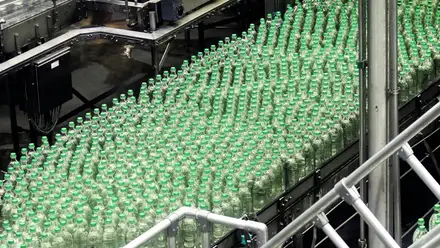
A buyer guide to clean-peel, residue/tamper-evident and weld-style induction seals — and why opening behavior is a separate decision from one-piece vs two-piece construction.
A practical format-selection guide for small-batch bottle and jar packaging, covering tamper evidence, 360-degree decoration, production complexity, fit, artwork, and recycling considerations.

A small-batch buyer guide to visible tamper evidence, inner sealing, leak control, package compatibility, and when the two systems belong on the same bottle.

A practical decision guide for small-batch bottle and jar packaging, focused on opening behavior, tamper evidence, production risk, and supplier specifications.