Why Does Cashmere Feel Scratchy After Washing?
A softness-recovery and damage-diagnosis guide for stiff, itchy or rough knitwear
 Lena Schmidt
Disclosure: We may earn a commission if you purchase through links on this page, at no additional cost to you.
If cashmere feels scratchy after washing, do not assume the fiber is permanently ruined—and do not immediately pour in fabric softener or hair conditioner. The change can come from detergent residue, minerals left by hard water, rough handling, mild felting, surface abrasion or a pre-existing sensitivity to the fiber. Those causes look similar when you put the sweater on, but they require different decisions.
Start with a dry inspection. If the knit still has clear loops, feels flexible and is only slightly stiff, a careful rinse or label-compliant rewash may remove residue. If it is dense, matted, shiny, brittle or still causes intense itching after residue is removed, stop home experiments. The safest goal is to identify what changed, then use the least aggressive correction that can test that hypothesis.
This guide applies to washable cashmere and wool-cashmere knitwear. The care label takes priority. Dry-clean-only, embellished, lined, vintage, hand-dyed or strongly scented garments need a cleaner’s assessment before water or additional products are applied.
First decide what “scratchy” means
| What you notice | More likely explanation | Useful first move |
|---|---|---|
| Stiff or coated feel, especially when dry | Detergent or mineral residue | Check whether a complete rinse changes the handle |
| Roughness with a dense, compact surface | Heat, friction or early felting | Stop repeated washing; compare loop definition |
| Only the collar, cuffs or elbows feel rough | Local abrasion, body oils or pilling | Inspect that zone instead of treating the whole garment |
| Itchy on skin but visually unchanged | Fiber diameter, dye/finish sensitivity or dermatitis | Test with a base layer and stop if irritation persists |
| Sharp prickle from a few hairs or pills | Coarser guard hairs, broken fibers or surface pills | Remove loose pills gently; do not coat the whole knit |
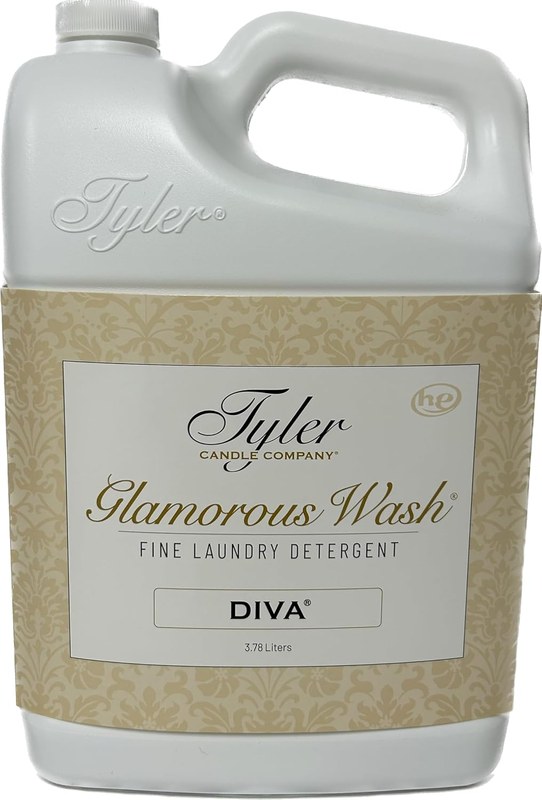
Wool and cashmere care cleanser
Verify the live listing, dimensions and variant before buying. This route is a practical starting point, not a guarantee that every model suits every cashmere garment.
- Role: Amazon consumer option
- Check the current listing
- Match the product to the garment
- Confirm care and return terms
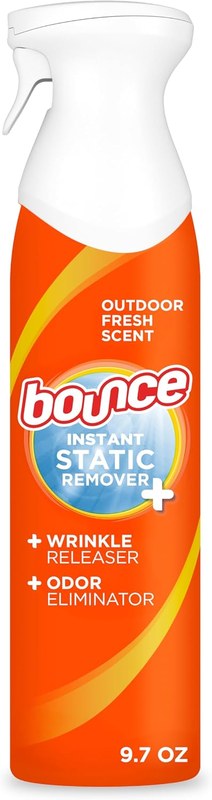
Anti-static spray to tame scratchy cashmere
Verify the live listing, dimensions and variant before buying. This route is a practical starting point, not a guarantee that every model suits every cashmere garment.
- Role: Amazon consumer option
- Check the current listing
- Match the product to the garment
- Confirm care and return terms
“Softness” is a tactile result, not a single laboratory property. Fiber diameter, yarn construction, surface hairiness, finishing, moisture, residue and the wearer’s skin all contribute. A product that makes fabric feel slippery for a day has not necessarily restored the yarn or reversed felting.
The common causes after washing
Detergent residue and hard-water minerals
A concentrated detergent, too much product, an incomplete rinse or mineral-rich water can leave a film on a delicate knit. The garment may feel stiff, drag across the skin or become less supple when dry. This is the most reasonable cause to test first when the sweater looked normal before washing and the change is spread fairly evenly over the surface.
Residue is a hypothesis, not a diagnosis. A sweater can feel coated because of finish damage or felting, and a vinegar rinse may not fix either one. Use a product made for wool or cashmere, follow its label, and avoid adding several chemicals at once. If the care label forbids wet cleaning, do not use a home rinse as a diagnostic shortcut.
Heat, friction and early felting
Wool and cashmere fibers have surface scales that can interlock under the combination of moisture, heat and agitation. Research on felting shows that fiber characteristics and movement matter; cashmere is not immune simply because it is fine. A sweater that went through hot water, a vigorous spin, rubbing or a crowded wash may come out denser and less smooth rather than merely “dirty.”
Look for a change in structure: the knit appears more compact, individual loops are harder to distinguish, and the fabric resists gentle movement. That is a different problem from residue. More washing can make it worse.
Fiber quality, blend content and surface hair
Not every scratchy sweater has been damaged. Cashmere garments vary in fiber length, diameter, yarn design, blend content and finishing. Shorter or coarser fibers can work their way to the surface and feel prickly, especially at the neck. A lower-cost blend may be comfortable at first and feel different after the finish is washed away. Compare the affected garment with its fiber label and with an area that receives less wear.
Skin sensitivity rather than a textile defect
If the fabric looks and feels unchanged but your skin develops burning, redness or a persistent rash, treat the problem as a skin-compatibility question. Dye, finishing residue, fragrance, lanolin-related sensitivity or an unrelated dermatitis can all be involved. A fabric-care trick is not a substitute for medical advice. Stop wearing the garment against bare skin if symptoms continue.
A controlled softness-recovery test
1. Read the label and document the baseline
Photograph the sweater dry and record where the problem occurs. Note the fiber content, wash symbols, color stability and the detergent used. Feel the body, neckline, cuffs and elbows separately. If only one zone changed, a full-garment treatment may create more risk than benefit.
2. Test dry handling before adding water
Lay the sweater flat and gently smooth it with open hands. Do not scrape, brush hard or stretch the knit. Check whether the surface is coated, pill-covered, dense or shiny. If you can no longer see the original loop structure, skip home softening experiments and seek professional advice.
3. If wet cleaning is allowed, remove the simplest suspected residue
Use cool or label-approved water and a small amount of a wool/cashmere cleanser. A low-residue product is preferable to a fragranced general laundry liquid. Submerge without scrubbing, then rinse thoroughly according to the product and garment instructions. Do not combine detergent, vinegar, conditioner, softener and stain removers in the same experiment; if the feel changes, you will not know why.
4. Lift with support and dry flat
Support the entire garment when removing it from water. Press out moisture, roll it in a clean towel and press again. Do not wring, hang or pull the shoulders. Align seams and dry flat away from direct heat. Reassess only when completely dry; damp fibers can feel temporarily smoother or heavier than they will after conditioning.
5. Compare the result with the baseline
If the coating or stiffness improves and the loop structure remains clear, residue was a plausible contributor. If the garment is still dense, rough or prickly, stop repeating the same rinse. The next decision is professional assessment, a base layer, or accepting that the fiber/finish is not comfortable for you.
Should you use vinegar or hair conditioner?
Consumer articles often describe dilute vinegar or hair conditioner as ways to soften itchy wool. These tips reflect common user language, but they are not universal prescriptions for cashmere. Acidity, concentration, dye stability, residual fragrance and the garment’s finish all matter. Conditioner can leave a coating, attract soil or alter the handle without repairing a felted surface.
If you are considering any optional additive, first check the care label and the product maker’s instructions. Use one change at a time, test on an inconspicuous area when possible, and do not use an additive to rescue a garment that is already matted, shiny, shedding dye or irritating your skin. The absence of an immediate problem is not proof that a home formula is safe for repeated use.
How to distinguish residue from permanent change
| Sign | Residue is more plausible | Damage or fiber issue is more plausible |
|---|---|---|
| Appearance | Surface looks similar to before washing | Loops look compact, fuzzy, shiny or broken |
| Location | Change is fairly even across the garment | Change is strongest at cuffs, collar, elbows or a rubbed area |
| Handle | Coated, draggy or stiff but still flexible | Boardy, matted, brittle or unusually thin |
| Response to a careful rinse | Noticeable improvement after one controlled rinse | Little change or further loss of definition |
| Skin response | Irritation fades when residue is removed | Itching persists despite a clean, unchanged surface |
The table is a decision aid, not a laboratory test. A garment can have more than one problem—for example, residue on a slightly felted sweater. When the signs conflict, choose the lower-risk action and stop escalating at home.
Shopping routes for a controlled care setup
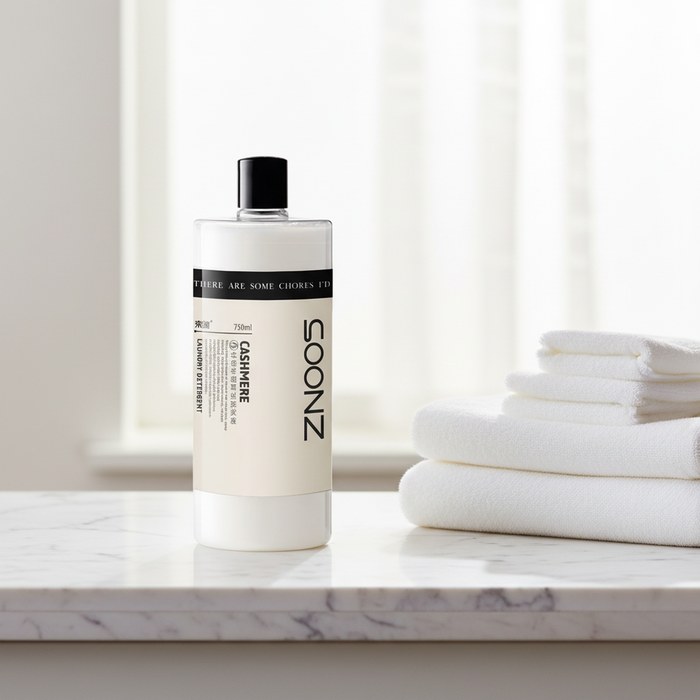
Supplier route for batch sourcing
A supplier route for buyers comparing samples, specifications and commercial terms. Verify the exact listing and supplier details before placing an order.
- Role: Alibaba sourcing candidate
- Request a sample first
- Confirm MOQ and specifications
- Verify the live listing listing
- MOQ: Check current listing
The links below are included as sourcing routes, not as rankings or approvals. They are included by product role, not as proof that any product can restore every sweater. Before relying on a product label, confirm the live title, ingredients, current variant, care compatibility, price and returns on the destination page.
For the Alibaba route, request the full ingredient list, pH or testing method, fragrance/allergen information, SDS if applicable, sample availability, packaging options, MOQ, lead time and evidence of compatibility with wool and cashmere. A marketplace listing is a sourcing lead, not independent proof of softness recovery.
When to stop and use a professional cleaner
Stop home treatment if the knit becomes denser, loses loop definition, releases dye, develops a strong chemical odor, looks glossy or brittle, or requires repeated washes to feel temporarily better. Also stop if a rash, burning or swelling appears. A cleaner or knitwear specialist can inspect whether the change is residue, felting, abrasion, yarn breakage or a finish problem.
Bring the care label, the garment’s wash history, the detergent or additive used and photographs from before and after. Do not promise a return to “new” softness: severe felting, broken fibers and an inherently prickly yarn cannot be reliably reversed by a rinse.
Prevention for the next wash
Use the lowest-friction method allowed by the label. Measure detergent instead of estimating, keep the garment supported in water, avoid a hot or crowded cycle, and rinse completely. Remove water with towels, reshape seams and dry flat. Fold the sweater for storage, let it air between wears and keep it away from heavy stacks while damp.
If your skin is sensitive, wear a thin base layer and choose garments whose fiber content and finish you can tolerate. Comfort is a valid selection criterion; a sweater that looks excellent but repeatedly causes irritation is not a successful purchase.
FAQ
Can I make cashmere soft again after one wash?
Sometimes, when the change is mainly residue or temporary stiffness. A single controlled, label-compliant rinse and flat dry is a reasonable test. It is unlikely to reverse dense felting, broken fibers or an inherently coarse yarn.
Why is only the neck scratchy?
The neckline receives direct skin contact and can collect body oils, detergent residue and loose surface fibers. It may also expose coarser guard hairs or a finishing change. Inspect and clean the affected zone carefully rather than treating the whole sweater with stronger chemicals.
Does freezing a sweater remove scratchiness?
Freezing may be discussed as a way to reduce loose hairs or pills temporarily, but it does not remove detergent residue or reverse felting. It is not a substitute for diagnosis and may not address skin sensitivity.
Is fabric softener safe for cashmere?
Do not assume it is safe. Many general softeners are designed for different fibers and can leave a coating or interfere with the intended handle. Use only a product whose instructions explicitly cover the garment, and follow the care label first.
What if the sweater still itches after a careful rinse?
Try a base layer and stop wearing it directly against irritated skin. If the fabric remains prickly or symptoms recur, the problem may be fiber quality, finishing, dye or dermatitis rather than leftover detergent. A cleaner or clinician can help with the next decision.
The practical decision
Treat post-wash scratchiness as a diagnosis problem, not a softness contest. If the sweater is visually intact and merely coated or stiff, one controlled rinse with a compatible wool/cashmere cleanser and supported flat drying can test the residue theory. If the surface is matted, shiny, brittle, thinning or persistently irritating, stop adding products. A careful boundary—what to try once, what to observe, and when to stop—protects a delicate knit better than a long list of household hacks.
References
-
McGregor BA, et al. “Feltability of cashmere and other rare animal fibres.” Textile Research Journal, 2013. Research on how cashmere fiber characteristics, origin and blends influence felting behavior. DOI source
-
Speakman JB. “Mechanism of Felting of Wool Fibres.” Nature, 1945. Classic explanation of directional fiber movement and scale-related felting behavior. DOI source
-
Li Y, et al. “Study on shrinkage of cashmere sweater knitted with high-count worsted yarns.” Textile Research Journal, 2014. Study of how fiber and yarn variables affect cashmere sweater shrinkage and dimensional behavior. DOI source
Hook this up to your favourite commenting platform — Giscus, Disqus, or your own.
Continue reading
How to Remove Makeup Stains from Cashmere Without Setting Them
A careful spot-treatment guide for foundation, powder, lipstick and mascara on delicate knitwear
Can a Shrunken Cashmere Sweater Be Saved?
A damage-first recovery guide for mild shrinkage, distortion and possible felting
How to Fix a Stretched-Out Cashmere Sweater
A targeted recovery guide for loose cuffs, necklines, shoulders and elbows