Garbage Disposal Splash Guard Replacement: Check Fit First
Two guards can look identical in a photo and fit different disposers. Confirm the model, check whether the old guard lifts out at all, and treat universal as a seller's scope claim.
71 pieces in this section.
Two guards can look identical in a photo and fit different disposers. Confirm the model, check whether the old guard lifts out at all, and treat universal as a seller's scope claim.
Bag width and length do not tell you whether a refill fits the dispenser. Compare roll diameter, usable width and the core before you buy a multipack.
A pad that has shifted out from under the washer is a symptom, not the diagnosis. Check the machine is stable and the foot fits the cup before buying a grippier set.
A refill that will not fit is usually the wrong coupling, not a badly made brush. Identify the handle, compare the connector, and dry-fit before you trust the word universal.

A mat that holds a puddle is failing at one of three points: the counter does not drain toward the bowl, the mat is set the wrong way, or its outlet is blocked.

Match the part to the model number, not to a photo. Confirm which wheel failed, read the full model number, and check whether the listing is one wheel or a whole assembly.
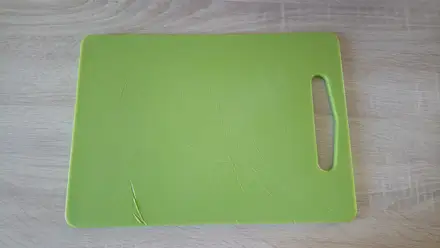
Most boards move because of a film of water or oil, a warped corner, or an overhang, not because the board is light. Find the cause, then pick a damp cloth or a grip pad.
The cord that holds the mesh is sized to the frame groove, not to the window. Read the failure pattern, measure the channel, and test a few inches before you roll a whole screen.

A heavier rug does not fix a rug that creeps across a wet tile floor. Separate what is moving, match the fix to the floor material, and recheck after every wash.

A damp towel fixes an occasional slip in seconds. For daily prep, the setup has to hold a board flat, cover enough of its footprint, and survive raw-meat cleanup.

Before you reach for glue, work out whether the sheet, the contents or the drawer front is moving. Then clean, dry, fit and only then add restraint.

Pressing a failed strip back on rarely fixes the cause. Read the failure pattern, measure the gap, and decide whether the door wants an adhesive lip or a mechanically retained seal.

A pad that lets go is telling you which part failed. Read the residue, prepare the foot properly, and decide when a fitted sleeve or a mechanical glide is the better answer.

A liner changes what the food sits on. Here is when that costs you crispness, when it is worth the trade, and how to test your own basket instead of trusting a listing.

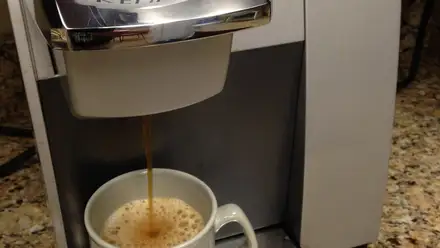
A reusable K-Cup can fit a Keurig and still be the wrong version for that brewer. Check the model number, the filter generation, and the pod holder before you buy.
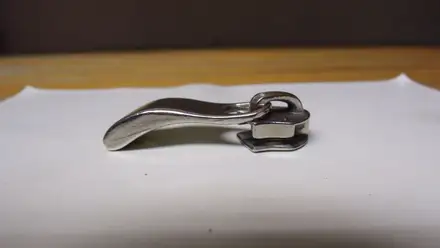
A number on the slider is only part of the match. Identify the chain type, confirm the size, then check direction, slider function and end parts before buying a kit.
Measure the seam at the front, middle and back on both sides, then match the profile. A strip bridges a gap; it does not level a range that sits too high.

Tine caps only work when the rust is limited to a few exposed tips and the wire is still firm. Check the opening, length and shape of the tine before ordering a pack.

A catcher that works with a raised pop-up stopper sits over the drain, not inside it. Identify the mechanism, then measure the flat area and cap height before ordering.

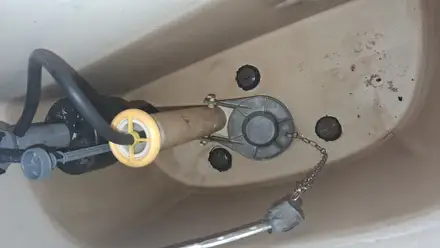
Flappers are matched to the flush-valve opening, not the width of the rubber. Confirm the leak, measure the right feature, and match the hinge before ordering.
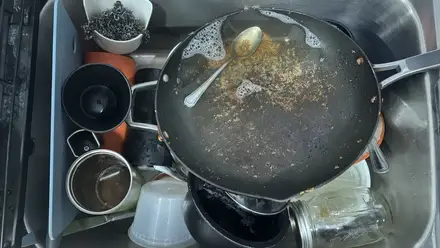
One pod per cycle is the normal starting point, but compact machines, hard water, and small loads each change what you should check before adding a second.

A pod used as directed is designed to dissolve during the wash. Standing water and a backed-up sink point at the drain path, not the film on the pod.
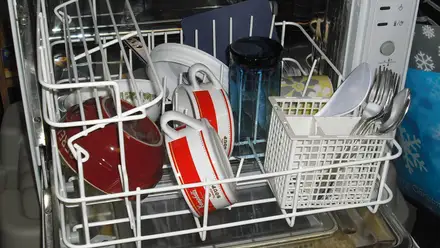
A pod left in the dispenser or sitting in the tub is a clue about which part of the wash failed. Work through the checks in order, one change at a time.
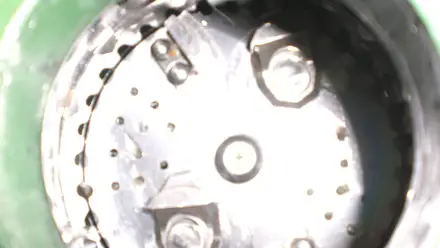
A leak right after a filter change usually starts at the cartridge connection. Reseat it, confirm the part matches the model, then separate a head leak from a dispenser drip.

A stopper that pops back up is usually an adjustment, debris, or a worn seal. Identify the mechanism first, then decide whether to fix or replace.

A liner that lifts is catching the fan's airflow because too much paper is exposed. Check the manual, size the sheet to the basket, and always weigh it down with food.

A suction shelf that drops is usually a surface or load problem, not a bad cup. Diagnose the wall, clean the contact area, and pick the right mounting method.

A sour smell usually means residue on the splash guard or in the grind chamber, not a failed motor. Find the source first, then clean it safely.
A rack that slides out, sags on one side, or rocks is pointing at a different part each time. Check the rail stop, the wheels, then the adjuster.
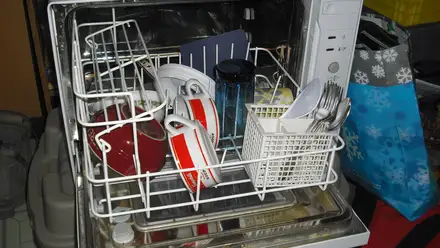
Check the tub surface and the liner fit before buying anything. Weighted hems and magnets fail for different reasons.

A clothes brush and a chamber roller solve different problems. Match the mechanism to the surface you actually clean, then check how it empties.

Lift each flap, scrub both sides with dish soap, and keep your hand out of the opening. A tablet treats a different problem.
Match the brush head to the channel under the lid, check whether the gasket comes out, and plan how the brush itself gets cleaned.
Measure the interface, the shape and the contact angle, then read the chart for the exact variant before ordering a set.
Diagnose slipping felt, prepare the foot properly, and choose between adhesive pads, fitted caps and mechanical glides.

Work from the leak location to the connection and then to the seal, and buy only the part you can actually identify.

Tell a Cache insert from other concealed outlets, remove it without damaging the spout, and match the right replacement.
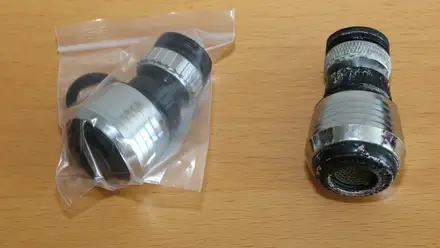
A repeatable sequence for finding out why a cleaned aerator blocks again, and when replacement is the right answer.
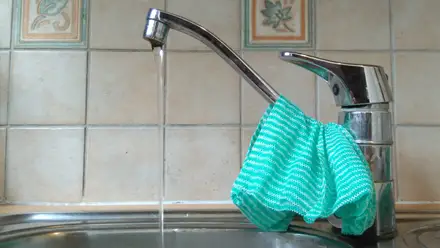
Why suction cups fail on a textured tub floor, and which fixes actually change the outcome.

A dry-first method for lifting the gray fuzz and trapped hair at the bristle roots, with brush-specific limits for water and cleaning tools.
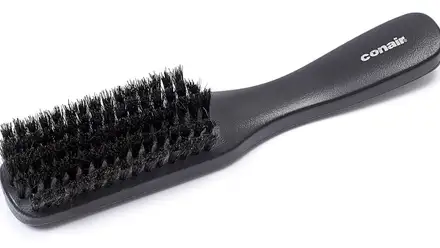
A careful, model-first method for clearing wrapped hair, checking the ends, and knowing when to stop.
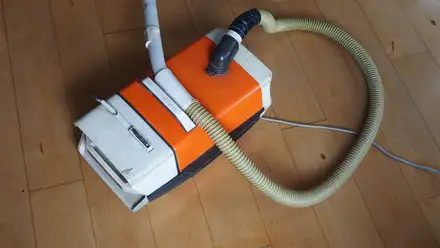
Why a rug wrinkles on wall-to-wall carpet, and how to choose, size and install a pad that holds it flat.
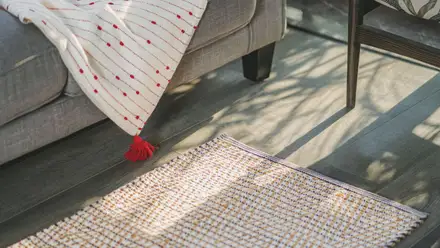
A dry, surface-first method for woven upholstery, seams and seat bolsters.

A model-first routine for the straw bore, bite valve, lid channels and gaskets of a reusable bottle.
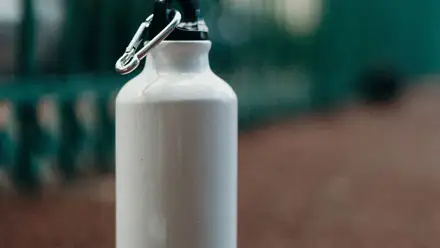
A practical troubleshooting guide for damp, twisted bedding

A model-first cleaning guide for trapped residue, musty odor, and stubborn dark marks
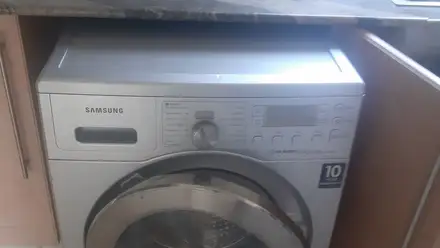
Match the catcher to the drain you actually have, measure the landing area, and keep the water path open.

Loosen embedded dog hair, gather it, and vacuum it up — without fuzzing the carpet or reaching for the wrong tool.
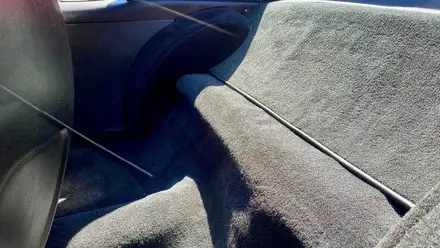
A reliable seal, a dry cupboard and the right saver matter more than any rescue trick for hardened brown sugar.
Match grippers to the sofa's feet, check floor compatibility, and choose between cut-to-fit pads, adhesive pads and a rug setup.

A practical fit check for sheets that stay on a flat mattress but pull loose when the head or foot moves

A fit and fastening guide for an insert that slides or gathers after you make the bed
Fold it flat when the garment is wet or heavy; use a fold-over method only when closet space makes hanging necessary
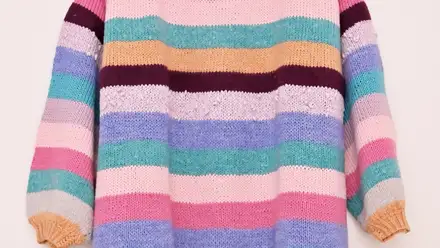
A repair guide for an intact pulled loop and the tight stitches around it
A stock-tank and injection guide for diagnosing dilution, settling and uneven nutrient delivery

A practical guide to low level shutoff continuous monitoring and refill alarms

A dynamic pressure troubleshooting guide for fertigation and low volume systems

A troubleshooting and prevention guide for fertigation buyers

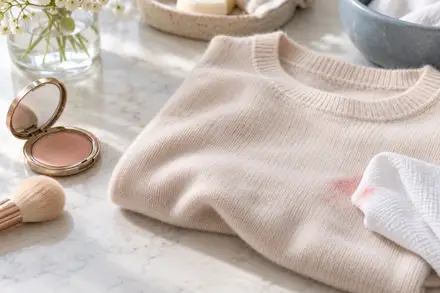
A careful spot-treatment guide for foundation, powder, lipstick and mascara on delicate knitwear
A damage-first recovery guide for mild shrinkage, distortion and possible felting
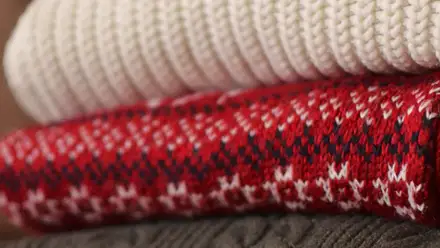
A wear-vs-wash decision guide for sweaters, cardigans and scarves
A targeted recovery guide for loose cuffs, necklines, shoulders and elbows
A softness-recovery and damage-diagnosis guide for stiff, itchy or rough knitwear
A wool-safe troubleshooting guide for body odor, wet-wool smell and detergent residue
A safe winter guide to static dry air fabric blends and anti static products
A safer spot treatment guide for sweat deodorant residue and set in discoloration
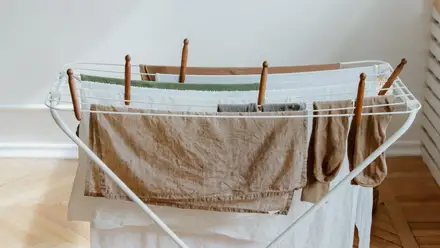
A practical guide to towel rolling airflow and choosing a sweater drying rack
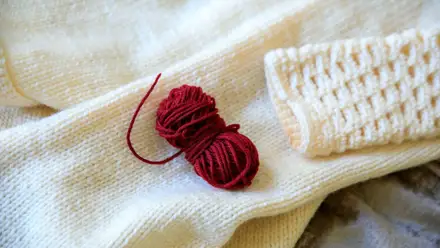
A practical decision guide for small moth holes snags and worn knitwear
A defect-based diagnostic guide for small-batch bottle and jar packaging: identify the symptom, isolate the cause, change one variable, and know when the band itself must change.

A practical heat-gun method for small-batch bottles and jars, with fit checks, defect diagnosis, and a repeatable production SOP.

How small-batch bottle and jar packers should choose a heat source for tamper-evident neck bands without confusing maximum temperature with process control.