Do Silicone Air Fryer Liners Make Food Soggy? When to Use One
A liner changes what the food sits on. Here is when that costs you crispness, when it is worth the trade, and how to test your own basket instead of trusting a listing.
 Lena Schmidt
Disclosure: We may earn a commission if you purchase through links on this page, at no additional cost to you.
Direct answer
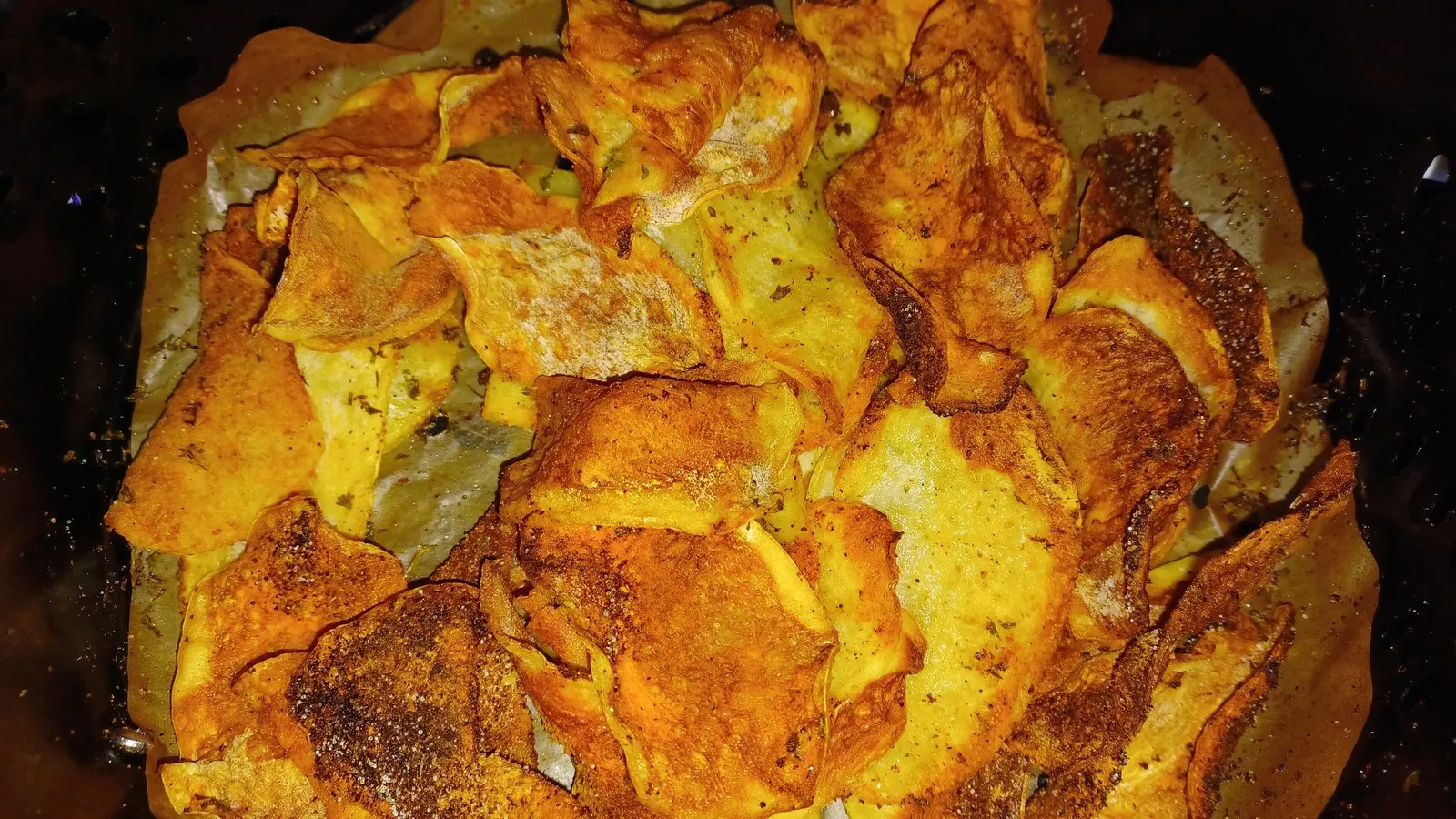
Sometimes, but not because silicone automatically “steams” every food. A liner changes what the food sits on: a solid or high-sided insert can block some of the air that would otherwise reach the underside, and its sides can hold moisture near the food. That matters most when you want a dry, browned surface on fries, breaded snacks, or vegetables. A ridged, low-sided liner with food spread loosely may work acceptably, while a bare perforated basket usually gives air the clearest path underneath.
The trade-off is real: a silicone basket liner can catch oil, cheese, crumbs, and sticky sauce, making cleanup easier. Which? tested silicone, paper, and reusable sheet liners with cheesy chips and found the silicone bowl shape useful for containing mess, but said it did not allow optimal air circulation and advised stirring regularly. Homes & Gardens reports a different result in its own tests, with raised-groove silicone performing well. Those findings are not contradictory proof that one side is wrong; they show that liner shape, food, appliance, load, and cooking method matter.
Use the bare basket when maximum underside crispness is the priority. Try a silicone liner for sticky, greasy, or delicate foods when cleanup or preventing sticking matters more. If you already own one, compare a small batch with and without it before changing temperature or time. The comparison will tell you more about your specific appliance than a blanket claim on a product listing.
Why the bottom can soften
Air fryers move hot air around food, but basket designs differ. In a drawer-style model, the perforated crisper plate or basket floor lets air reach the underside and gives rendered fat somewhere to drain. Place a solid liner over that surface and you add a barrier. Raised ridges create channels below the liner, but they do not turn its whole base into an open mesh. A deeper wall can also shelter the food from lateral airflow.
Softness is not the same as undercooking. The top may brown while a damp underside stays pale, especially if the food releases water or sits in pooled fat. A liner can make this more noticeable by narrowing the routes moisture and hot air can take. Yet one liner will not produce the same result in every machine: fan location, basket perforations, heating pattern, portion size, and whether you shake or turn food all affect the outcome.
Food matters just as much. Frozen fries, hash browns, breaded cutlets, and crisp-skinned items benefit from a dry surface and contact with circulating air. A sticky marinade, melted cheese, or fatty meat can make a mess and may be worth containing. Wet batter and crowded vegetables are challenging even without a liner; putting them in a deep insert does not fix the underlying moisture or spacing problem.
Choose by the meal, not by a universal rule
For fries, potato wedges, tater tots, and breaded foods, start without a liner if you want the most even browning. Spread the pieces so air can move between them and follow your recipe’s shaking or turning instruction. If you use a silicone insert because small pieces fall through, choose a shallow, ridged design that fits without folding up the sides. Expect to check the underside rather than assuming the usual cook time still gives the same color.
For saucy chicken, glazed vegetables, cheese-topped snacks, or food that tends to stick, the liner may be a sensible cleanup tool. Keep the food in a single loose layer where possible. If sauce collects in the channels, remove excess liquid before serving and turn the food so the wet side is not left against the liner for the entire cook. The liner contains some drips; it does not eliminate cleaning, since the basket walls and heating area can still collect splatter.
For salmon or other delicate pieces, choose based on what you need more: a clean basket or direct contact with the cooking surface. A liner can help release a fragile fillet, but it may reduce browning where the fish rests. Good Housekeeping’s recent side-by-side test involved parchment liners rather than silicone, so it is not direct silicone evidence; its salmon result still illustrates why placement matters. In that test, the liner placed on the rack gave the least crisp fillet, while putting the liner under the rack changed the cleanup outcome. Do not transfer its result to every silicone product.
For muffins, eggs, or small bakes, a silicone cup or mold is doing a different job from a basket liner. It contains a batter that would otherwise spread. Philips says ovenproof silicone molds can be used in its Airfryer models, while emphasizing that the mold must leave room for air to pass around it. Check the manual for your own appliance and the temperature limit printed by the mold maker.
A quick test for your own air fryer
You do not need a lab setup to decide whether your liner is worth keeping. Pick one food you cook often, such as frozen fries or chicken bites. Use the same brand and amount, the same temperature, the same starting state, and the same shaking schedule on two separate runs. Cook one batch directly in the basket and one in the liner. Avoid changing several variables at once.
Compare four things: how browned the underside is, whether the center is cooked, how much moisture or oil sits beneath the food, and how long cleanup takes. Do not judge only by the top. Cut or turn one piece from each batch to inspect the bottom. If the lined batch is slightly softer but the cleanup savings matter, you may decide the compromise is acceptable. If the texture difference bothers you, reserve the liner for messier meals.
If you want a fair test but cannot spare two full meals, split a batch into two similar portions and cook them in separate runs. The second run may start in a warmer appliance, so note that limitation. Repeating the comparison another day can help distinguish a consistent liner effect from ordinary variation. Use the recipe or appliance guidance for doneness; color and crispness alone are not a food-safety check.
If food turns out soggy, change these in order
First remove the liner for one run. If the bottom improves, you have a practical answer for that food. Next reduce crowding: a piled basket traps moisture and prevents surfaces from drying, whether the base is lined or bare. Cook in a smaller batch if needed. Shake or turn at the point your recipe recommends, and make sure pieces are not clumped together after shaking.
Then check excess moisture. Pat wet ingredients dry when the recipe allows, drain watery marinades, and avoid pouring leftover sauce into the basket. Frozen food usually does not need to be thawed first unless its packaging or recipe says otherwise; thawing can add surface moisture. For fresh-cut potatoes, follow a tested recipe’s rinse, drying, and oil instructions rather than adding extra oil at random.
If the food is cooked but pale underneath, extend the cook in short increments and inspect again. Do not jump straight to a large temperature increase: the top can overbrown before the center or bottom catches up. If you prefer keeping a liner, try one with a lower wall, a broad base, and deeper channels that keep food above pooled drippings. Product photos can be misleading, so inspect the actual interior shape and dimensions.
Finally, check that the insert is not oversized, folded, or pressed against the sides. Philips’ guidance for ovenproof dishes says to leave space around the dish so airflow can pass; that is model-specific advice, but the clearance principle is sensible for any accessory. Follow your air fryer manufacturer’s rules about where accessories may sit and whether they can block vents or heating elements.
Do not add several extra minutes automatically just because the first batch looked pale. Check whether the food is actually soft or whether the top is simply less browned; then turn a piece and inspect the underside. A small time adjustment can help, but a liner may keep the contact surface lighter even after the center is done. For raw meat, use a food thermometer and the safe internal temperature guidance relevant to that food instead of relying on color. A liner is a cooking surface choice, not a doneness indicator.
Fit and safe use matter
Measure the flat cooking area, not just the outside width of the drawer. A liner’s top rim may be wider than its base, and handles or pleated sides can interfere with the drawer. Compare the base dimensions with the usable basket floor and make sure the insert sits flat without touching the heating element. A liner that is too small may leave the mess you hoped to avoid; one that is too large can crowd the air path.
Check the maximum temperature and cleaning directions from the liner manufacturer. Silicone products vary, and a marketplace description for one item does not establish a safe temperature or composition for the whole category. Replace a liner if it is torn, sticky, persistently odorous after washing, or otherwise deteriorating. Let it cool before handling, and use oven mitts or the product’s handles only if they remain cool enough; Philips warns that Airfryer accessories and baskets become very hot.
Never assume a silicone liner makes any placement safe. Keep it away from the heating element, do not use it to cover the appliance’s vents, and follow the instructions for your exact model. If your manual forbids a particular insert or accessory, follow the manual. Wash the liner after oily or sugary foods; residue can smoke or transfer stale flavors on a later cook.
Is a ridged liner worth buying?
A raised base is useful when it creates space for drippings to move away from food, but “ridged” does not guarantee crisp results. Look at how high the ribs are, how widely spaced they are, whether the liner has drainage openings, and whether its sidewalls are low enough for your basket. Which? found no major difference in its cheesy-chip test between liners with and without holes, while also noting that bowl-shaped silicone restricted optimal circulation. That is one test setup, not proof that perforations never matter.
If your main problem is sticky cleanup, a washable insert is more reusable than disposable paper, provided you are willing to wash it. If your main problem is soft fries, buying a liner may not solve it; space, surface dryness, and batch size are more likely starting points. Community discussions and cooking videos show mixed experiences: some users value easier release and cleanup, while others report softer bottoms. Treat those as useful clues about user priorities, not controlled measurements.
One current example is the Seropy square silicone liner, two-pack. The listing describes a 7.1-inch base and fit for 4–7-quart fryers, but quart capacity alone does not confirm that it will fit your basket. Measure your usable floor and verify the current listing, included size, temperature instructions, and seller details before ordering. This is an example of the product role, not a claim that it is the best liner or that it will crisp every food equally well.
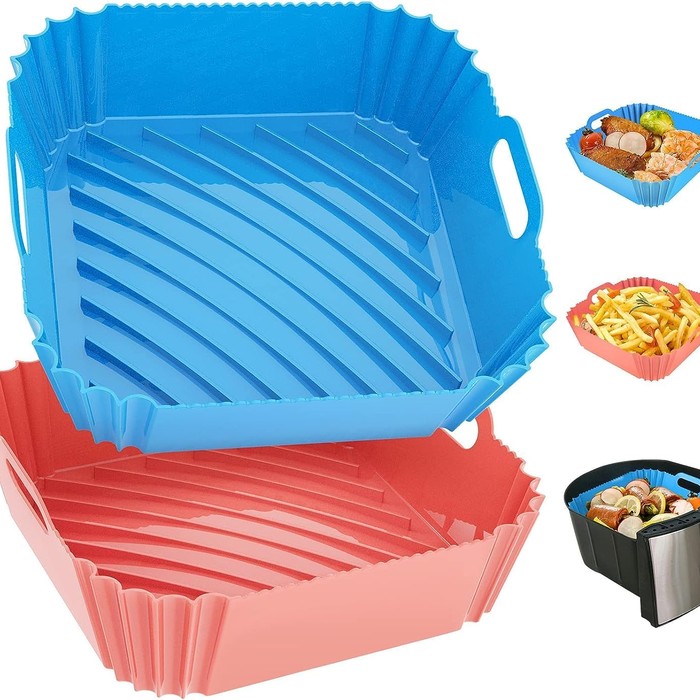
Seropy square silicone air fryer liners, 2-pack
Square silicone inserts with a 7.1-inch base, sold as a two-pack. A liner this size covers most of the basket floor, so measure your usable area and the clearance around the sides before the first cook.
- Role: Amazon consumer option
- 2-pack
- 7.1-inch base
- Silicone
- MOQ: Check current listing
A simple decision
Use no liner for crisp-first foods. Use silicone when containing grease, sauce, crumbs, or sticking is worth a possible texture trade-off. For mixed meals, cook the crisp component directly on the basket and place only the messy component in a suitable insert if the appliance layout allows it. If you are unsure, test your usual food once in each setup and keep the result that solves your actual problem.
That is the useful answer to “Do silicone air fryer liners make food soggy?” They can make the underside less crisp when the design blocks airflow or holds moisture, but the effect is not automatic and does not mean the food cannot cook through. A shallow, well-fitting liner, uncrowded food, and occasional turning can help; the bare basket remains the straightforward choice when maximum crispness matters. Buy for the job you need the liner to do, and check fit and appliance instructions before the first cook.
Sources
-
Which? — Air fryer liners tested: silicone vs paper vs reusable sheets Source
-
Homes & Gardens — I Tested the Best Air Fryer Liners Source
-
Good Housekeeping — Do Air Fryer Liners Work? I Tested Them 3 Ways to Find Out Source
-
Philips — What kind of baking tin can I use in my Philips Airfryer? Source
-
Pinch of Nom — Do silicone liners stop things from cooking as well in an air fryer? Source
Hook this up to your favourite commenting platform — Giscus, Disqus, or your own.
Continue reading
Garbage Disposal Splash Guard Replacement: Check Fit First
Two guards can look identical in a photo and fit different disposers. Confirm the model, check whether the old guard lifts out at all, and treat universal as a seller's scope claim.
Dog Poop Bag Refills: Check Roll Fit Before You Buy
Bag width and length do not tell you whether a refill fits the dispenser. Compare roll diameter, usable width and the core before you buy a multipack.

Toilet Brush Refills: Check the Connection Before You Buy
A refill that will not fit is usually the wrong coupling, not a badly made brush. Identify the handle, compare the connector, and dry-fit before you trust the word universal.