Shrink Bands for Juice and Cold Brew Bottles: Do 38 mm Caps Need One?
Most 12 oz juice and cold brew bottles ship with a tamper-evident cap that already carries a breakaway ring. Here is how to tell whether you need a band at all, which 38 mm sizes suppliers stock, and what the cold chain changes.
 Lena Schmidt
In this guide
- First check whether the cap already seals the bottle
- When a band still makes sense
- The 38 mm bands on offer
- Height: how much of the bottle to cover
- The bead, again
- What the fridge changes
- What the band costs against the bottle
- Questions to ask the bottle and cap supplier
- Mistakes that waste a case of bands
- Keeping reorders consistent
- A twelve-bottle trial
- Where to source these bands
- FAQ
- References
Quick answer. Often not. The 12 oz PET juice bottles sold by restaurant-supply stores usually come with a 38 mm HDPE cap that has its own tamper ring, so a band adds a second seal and a cost. If your cap is a plain 38-400 screw cap, the common band is about 66 to 68 mm wide by 25 to 56 mm tall. Against a 38.1 mm (1 1/2 inch) cap, a 66 mm band leaves about 10 percent spare width and a 68 mm band about 14 percent. Check the bottle has a neck bead, because the band needs something to grip, and test bands on bottles that have spent a day in the fridge before you order a case.
First check whether the cap already seals the bottle
Juice and cold brew are the one category in this series where the bottle is often bought as a kit. WebstaurantStore’s 12 oz square rPET juice bottle comes with a clear lid, and its listing says the lid is HDPE, fits a 38 mm neck, and that the tamper-evident lid indicates product freshness. Its listing for a round 12 oz carafe bottle gives the neck finish as 38-DBJ and describes the lid type as continuous thread flat.
Other sellers describe the same cap the same way. Good Start Packaging sells a 38 mm DBJ cap for its juice bottles and says it has a tamper-evident ring seal, that the ring band stays on the bottle after opening, and that the cap can be applied by hand with no equipment. It also says the cap is not compatible with carbonated drinks and is not suitable for hot filling or freezing. ePackageSupply describes a 38 mm HDPE screw cap with a J-band ring and says a 38-400 neck accepts continuous-thread or tamper-evident closures.
So the first question is whether you already have a seal. If your caps have a ring that breaks away, a shrink band is a second layer, not a requirement. It may still be worth having for branding or as a visible cue, but it is no longer the thing that stands between you and an unprotected bottle. Look at the cap you actually received, not at the thread number.
When a band still makes sense
Three situations come up. The first is a plain 38-400 cap with no ring, which is common on glass bottles and on jugs, and which is the case the 38 mm bands in the listings are made for. The second is a flip-top or other closure that is not tamper-evident by itself; WebstaurantStore lists a 38/400 flip-top lid with a heat induction seal liner for its honey bottles, for example. The third is a deliberate second signal: some sellers like a visible film around the cap.
For juice and cold brew the first case is the one that matters. If you move from a kit to a cheaper plain cap, or you buy glass 12 oz bottles for cold brew, you are back to needing a band to show the bottle was untouched. The rest of this page assumes that case.
The 38 mm bands on offer
Several suppliers publish a 38 mm cap band, and the sizes cluster. TricorBraun’s sizing chart lists a 66 x 35 mm band for 38-400 continuous-thread caps and another at 72 x 35 mm for child-resistant ones. WebstaurantStore sells 66 x 50 mm clear perforated bands, 68 x 50 mm black perforated bands, and a 66 x 25 mm clear option, all for 38 mm caps. Cary Company lists a 70 x 50 mm black perforated band and a 68 x 25 mm clear perforated band for 38 mm caps.
| Band (lay-flat) | Seller | Opens to (2W/π) | Minimum for 38.1 mm | Spare width |
|---|---|---|---|---|
| 66 x 35 mm | TricorBraun chart (38-400) | 42.0 mm | 59.8 mm | about 10% |
| 66 x 50 mm | WebstaurantStore | 42.0 mm | 59.8 mm | about 10% |
| 68 x 50 mm | WebstaurantStore | 43.3 mm | 59.8 mm | about 14% |
| 70 x 50 mm | Cary Company | 44.6 mm | 59.8 mm | about 17% |
Spare width is calculated from the lay-flat figures against 38.1 mm, which is the 1 1/2 inch maximum diameter WebstaurantStore gives for its 38 mm bands. Sizes seen via search results on 9 November 2026;
The 66 mm and 68 mm bands sit in the 4 to 15 percent window earlier articles found typical for a good fit. TricorBraun’s rule of thumb, cap circumference divided by two plus 2 mm, gives about 61.8 mm for a 38.1 mm cap, so a 66 mm band clears it by about 4 mm. A listing review on one 68 x 50 mm band says it is the perfect size for a 38/400 thread cap, which is encouraging but is a single user.
There is a catch. These sizes were written for a standard 38-400 screw cap. The juice kits use a 38-DBJ neck finish with a J-band cap, and the tamper ring on that cap adds material below the main cap body. No source was found that says a 38 mm band is sized for a DBJ cap, so do not assume it. Measure the widest point of the cap you will use, ring included.
Height: how much of the bottle to cover
Band heights in the listings run from 25 mm to 56 mm. A 25 mm or 35 mm band covers the cap skirt and the seam. A 50 to 56 mm band, about two inches, reaches further down the neck. On a 12 oz square bottle that stands 5.5 inches tall, with a label panel listed at 1.36 by 3.41 inches, a two-inch band is a significant share of the neck, so check that it ends above the label.
The tall version of the same bottle is 7 1/16 inches high with a 1.40 by 5.22 inch label panel. A tall band on a tall bottle looks different from a short band on a short bottle, and I would let the fill level and label decide. If you want to hide minor fill differences, a taller opaque band does that; if you want the product colour visible right up to the cap, use a short clear one.
The bead, again
TricorBraun’s page for its 66 x 56 mm black band, which it recommends for 38-400 caps, says the bottle selected must have a neck bead to hold the band in place, and suggests measuring the circumference of the widest part of the closure and testing for fit. That matches the cap-and-neck gripping idea from earlier articles. Juice bottles are moulded to accept a tamper-evident cap, and I could not tell from the listings whether the bead is the same as on a plain 38-400 neck.
The check takes a minute: put a band on one bottle, let it cool, and try to slide it up and off without tearing it. If it holds, try turning the cap inside it. A band that lets the cap turn freely only decorates the bottle.
What the fridge changes
Juice and cold brew live in a cold chain, and none of the listings reviewed for this guide says how a PVC band behaves on a chilled, sweating bottle. I will not invent an answer. What follows is reasoning about how the parts work, and it is labelled so.
A band shrinks onto a dry surface, so apply it to a capped bottle at room temperature, before chilling, and wipe off condensation or spilled product first. After the bottle has spent a day in the fridge, check that the band is still tight and that the perforation tears cleanly with cold, wet fingers. Cold film can be stiffer, and a perforation that tears easily on a bench may behave differently at four degrees. A day of fridge time and a handful of bottles will tell you more than any spec line.
Also note that the Good Start caps are listed as not suitable for hot filling or freezing. That is a statement about the cap, not the band, but it is a reminder that these bottles are meant for cold-filled drinks. If your process is different, check the limits of every component together.
What the band costs against the bottle
The 66 x 50 mm clear WebstaurantStore band is $8.99 for 250 at the first price break, which works out to about 3.6 cents each. Cary Company’s 70 x 50 mm black band is listed from 4.5 cents at 200 down to 1.9 cents at 25,000. The bottle and lid are 61 to 74 cents each at case pricing in the listings above, so a 3.6 cent band adds roughly 5 to 6 percent to the container cost.
That is small, but juice is a thin-margin product, and the cost is not only the film. Time spent heating each bottle matters at volume. A small seller shrinking a few dozen bottles with a heat gun can absorb it; a seller bottling a few hundred a week should time the step before committing. If the cap already has a ring, skipping the band saves both the film and the labour.
Questions to ask the bottle and cap supplier
Because the cap and bottle often come from one seller, most of the answers you need are available before you buy anything. Ask whether the cap has a tamper ring and what it is called, whether the neck finish is 38-400 or 38-DBJ, and whether the listed cap diameter includes the ring. Ask whether the supplier has tested a shrink band on the bottle and, if so, which size it used.
Ask also whether the cap is rated for cold filling only. Good Start Packaging says its caps are not suitable for hot filling or freezing, and that kind of limit usually travels with the whole bottle-and-cap pair. If the supplier cannot give a straight answer, treat the fit as unproven and run the trial below on a sample before you commit to a case.
Mistakes that waste a case of bands
The first is buying bands before you have caps in hand. The cap decides the answer, and the juice kits show that two bottles of the same volume can carry different closures. The second is treating 38 mm as a cap width. It is the neck finish; the cap you hold, with its ring, is wider, and the sizes in the table above only make sense against a measured diameter.
The third is applying the band to a wet bottle. Juice and cold brew spill, sweat and drip, and a sticky film under the band makes the shrink uneven. The fourth is choosing a band by its look on a bench. A band that looks right at room temperature may crinkle or tear awkwardly after a day at refrigerator temperature, which is the condition your customer sees.
The fifth is skipping the customer test. Hand a bottle to someone who has not seen it and watch how they open it. If they hesitate at the band, or pull the cap off with the band half attached, change the perforation or the height. Our perforation guide covers the tear designs.
Keeping reorders consistent
Beverage bottles are a repeat purchase, and the supplier may change the cap or the mould between lots without announcing it. Keep a one-line record for each product: bottle item number, cap type and measured diameter including the ring, band supplier, lay-flat size and height, and the heat method that passed. When a new case arrives, measure three caps before you open the next bag of bands.
If the measurement moves by more than a millimetre or two from your record, run the twelve-bottle trial again. It costs an afternoon, and it is far cheaper than discovering at the end of a bottling day that the bands no longer fit.
A twelve-bottle trial
Take twelve bottles from the lot you will use, cap them as you do on the day, and wipe the necks. Band six with the standard height and six with a taller one if you are considering it. Shrink with the method you will use at volume. Then put all twelve in the fridge for a day.
Check three things on each: the band is still flat and tight, it cannot slide off, and the cap cannot turn inside it. Open one the way a customer would, with a thumbnail at the perforation. Keep a record of the cap, the band size and the heat method, and measure three bottles from each new lot before you reorder.
Where to source these bands
The listings below cover the three shapes this guide discusses: a short band for a 38 mm cap, the same width in a coloured film, and a tall band that runs down the neck.
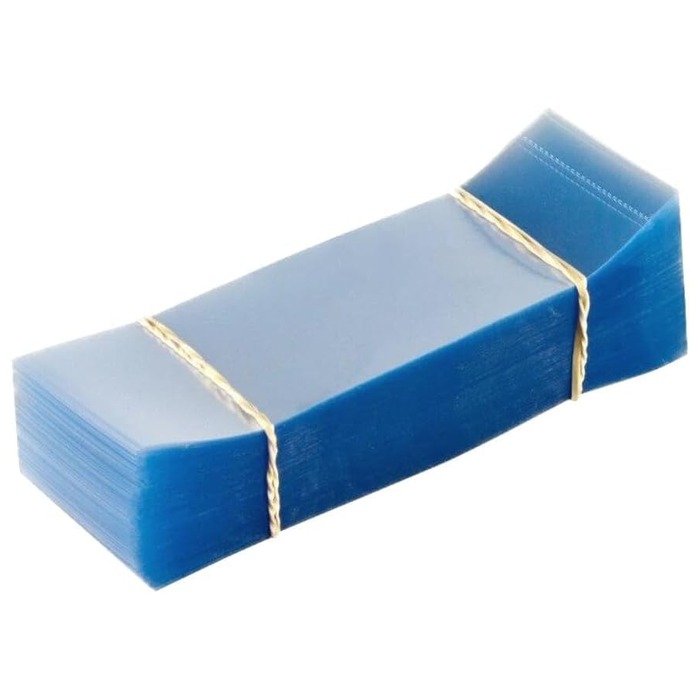
70 x 25 mm perforated band for 38 mm caps
A short band in the width that fits a 38 mm standard cap, so it covers the cap skirt and the seam where the cap meets the neck.
- Role: Amazon consumer option
- 70 x 25 mm
- Perforated
- Fits 38 mm caps
- MOQ: Check current listing
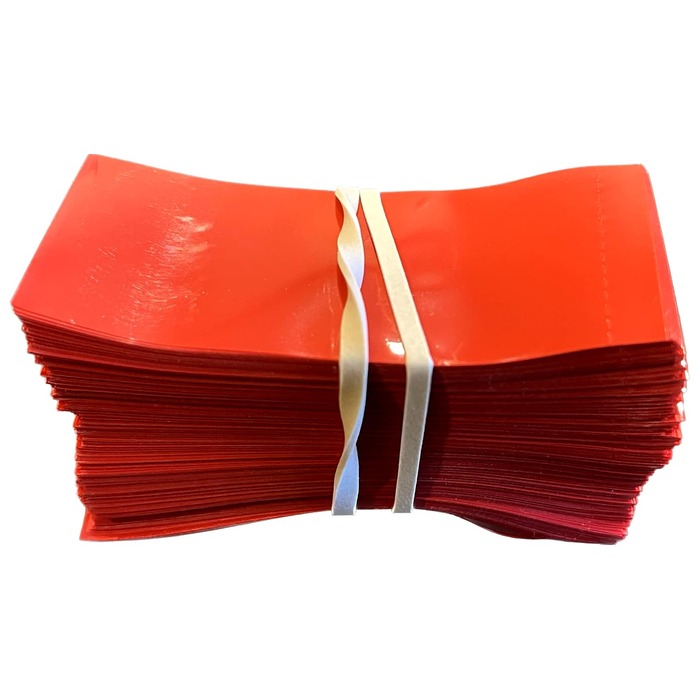
66 x 28 mm red perforated band
A 66 mm band in red, which is the narrower end of the published range for 38 mm work and the usual way to tie the seal to a brand colour.
- Role: Amazon consumer option
- 66 x 28 mm
- Perforated
- Red film
- MOQ: Check current listing
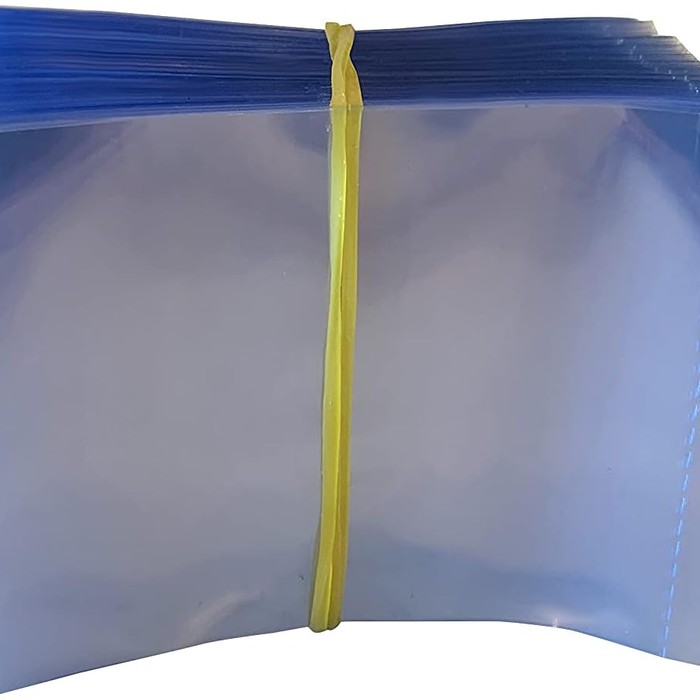
75 x 56 mm perforated band for taller coverage
The tall option.
- Role: Amazon consumer option
- 75 x 56 mm
- Perforated
- Tall coverage
- MOQ: Check current listing
FAQ
Do juice bottles need a shrink band? Not if the cap already has a tamper ring, which the juice kits in the listings do. A band is for plain 38-400 caps or as an extra signal.
What size band fits a 38 mm juice bottle cap? Suppliers sell about 66 to 70 mm wide by 25 to 56 mm tall. Measure your cap, including any tamper ring.
Will a band stay on a refrigerated bottle? No source was found. Test it on bottles that have been chilled for a day.
Can I use a band on a DBJ cap? No source was found that says so. Measure the cap and test.
Are there food rules I should check? Juice and beverage sellers face labelling and safety rules that this guide did not research. Check the requirements where you sell before you rely on this page.
References
- WebstaurantStore, “66 mm x 50 mm Clear Perforated Shrink Band for 38 mm Cap” Source
- Uline, “Glass Juice Bottles” Source
- Good Start Packaging, “tamper-evident caps and jars” Source
- TricorBraun, “Shrink Bands for Bottles and Jars: A Sizing Guide” Source
- US Plastic Corp., “70 mm W x 25 mm Hgt Clear Shrink Bands with Perforations” Source
Continue reading
Shrink Bands for Handmade Soap and Bath Bombs: How to Size the Wrap
A soap band is an open-ended sleeve, so the sizing starts from the bar’s perimeter rather than from a cap diameter. Here is the halving rule, why cured bars measure differently from fresh ones, and how loose the published soap band sizes really are.
Shrink Bands for Candle Tins: Sizes for 8 oz and 16 oz Slip-Lid Tins
On a slip-lid tin the band bridges the lid and the body, so the maths starts from the tin’s diameter rather than a bottle cap. Here are the bands two suppliers pair with their own tins, the two-line check you can do yourself, and why their suggested bands are taller than the tin.
Shrink Band Problems and Fixes: Wrinkles, Holes, Loose Bands and Crooked Tears
A symptom-by-symptom guide for people shrinking bands by hand: what each fault looks like, which cause the supplier instructions actually name, and which fixes are reasoning rather than a sourced rule.