Garbage Disposal Splash Guard Replacement: Check Fit First
Two guards can look identical in a photo and fit different disposers. Confirm the model, check whether the old guard lifts out at all, and treat universal as a seller's scope claim.
Aerators, drains, dishwasher racks and the small kitchen and bathroom parts that keep failing: fit, fixes and what to buy.
36 articles, newest first.
Two guards can look identical in a photo and fit different disposers. Confirm the model, check whether the old guard lifts out at all, and treat universal as a seller's scope claim.
A refill that will not fit is usually the wrong coupling, not a badly made brush. Identify the handle, compare the connector, and dry-fit before you trust the word universal.

A mat that holds a puddle is failing at one of three points: the counter does not drain toward the bowl, the mat is set the wrong way, or its outlet is blocked.

Match the part to the model number, not to a photo. Confirm which wheel failed, read the full model number, and check whether the listing is one wheel or a whole assembly.
Most boards move because of a film of water or oil, a warped corner, or an overhang, not because the board is light. Find the cause, then pick a damp cloth or a grip pad.
A heavier rug does not fix a rug that creeps across a wet tile floor. Separate what is moving, match the fix to the floor material, and recheck after every wash.

A damp towel fixes an occasional slip in seconds. For daily prep, the setup has to hold a board flat, cover enough of its footprint, and survive raw-meat cleanup.

Before you reach for glue, work out whether the sheet, the contents or the drawer front is moving. Then clean, dry, fit and only then add restraint.

A liner changes what the food sits on. Here is when that costs you crispness, when it is worth the trade, and how to test your own basket instead of trusting a listing.

A reusable K-Cup can fit a Keurig and still be the wrong version for that brewer. Check the model number, the filter generation, and the pod holder before you buy.
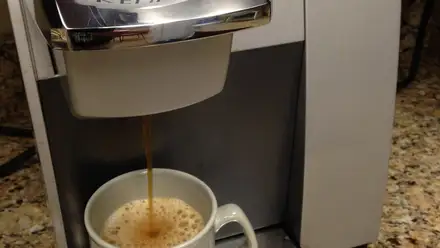
Measure the seam at the front, middle and back on both sides, then match the profile. A strip bridges a gap; it does not level a range that sits too high.

Tine caps only work when the rust is limited to a few exposed tips and the wire is still firm. Check the opening, length and shape of the tine before ordering a pack.

A catcher that works with a raised pop-up stopper sits over the drain, not inside it. Identify the mechanism, then measure the flat area and cap height before ordering.

Flappers are matched to the flush-valve opening, not the width of the rubber. Confirm the leak, measure the right feature, and match the hinge before ordering.
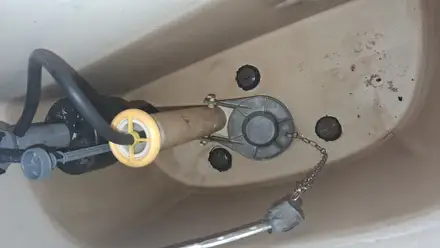
One pod per cycle is the normal starting point, but compact machines, hard water, and small loads each change what you should check before adding a second.

A pod used as directed is designed to dissolve during the wash. Standing water and a backed-up sink point at the drain path, not the film on the pod.
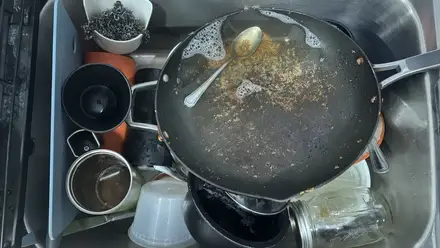
A pod left in the dispenser or sitting in the tub is a clue about which part of the wash failed. Work through the checks in order, one change at a time.
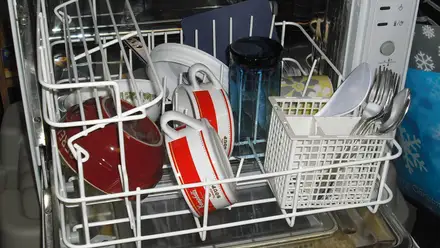
A leak right after a filter change usually starts at the cartridge connection. Reseat it, confirm the part matches the model, then separate a head leak from a dispenser drip.

A stopper that pops back up is usually an adjustment, debris, or a worn seal. Identify the mechanism first, then decide whether to fix or replace.

A liner that lifts is catching the fan's airflow because too much paper is exposed. Check the manual, size the sheet to the basket, and always weigh it down with food.

A suction shelf that drops is usually a surface or load problem, not a bad cup. Diagnose the wall, clean the contact area, and pick the right mounting method.

A sour smell usually means residue on the splash guard or in the grind chamber, not a failed motor. Find the source first, then clean it safely.
A rack that slides out, sags on one side, or rocks is pointing at a different part each time. Check the rail stop, the wheels, then the adjuster.
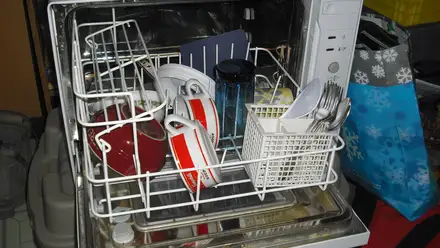
Check the tub surface and the liner fit before buying anything. Weighted hems and magnets fail for different reasons.

Lift each flap, scrub both sides with dish soap, and keep your hand out of the opening. A tablet treats a different problem.
A basket contains small pieces; a clip holds one in position. Decide which problem you actually have before buying either.
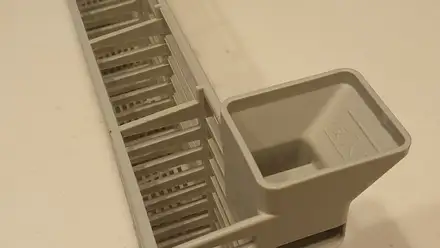
Match the brush head to the channel under the lid, check whether the gasket comes out, and plan how the brush itself gets cleaned.
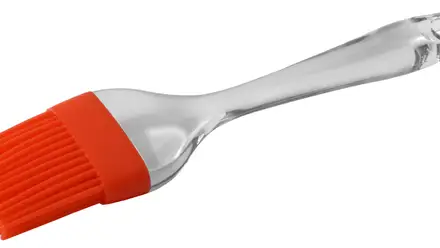
Work from the leak location to the connection and then to the seal, and buy only the part you can actually identify.

Compare the two ratings on measured flow, rinse time and hot-water waiting rather than on the litre-per-minute number alone.
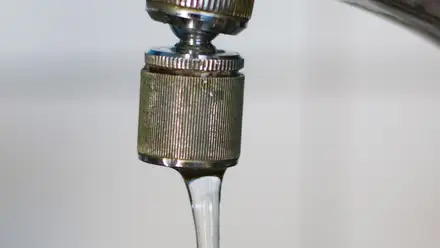
Which attachment actually fixes a short spout: aiming the stream with a swivel aerator, or moving the outlet with an extender.
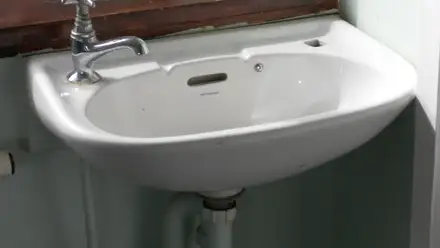
Tell a Cache insert from other concealed outlets, remove it without damaging the spout, and match the right replacement.
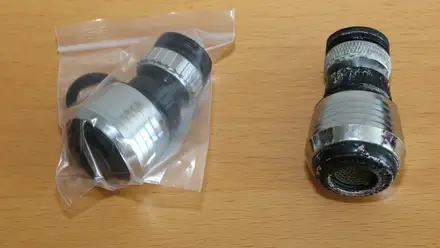
A repeatable sequence for finding out why a cleaned aerator blocks again, and when replacement is the right answer.
Why suction cups fail on a textured tub floor, and which fixes actually change the outcome.

A model-first routine for the straw bore, bite valve, lid channels and gaskets of a reusable bottle.
Match the catcher to the drain you actually have, measure the landing area, and keep the water path open.

A reliable seal, a dry cupboard and the right saver matter more than any rescue trick for hardened brown sugar.