What to Do When a Bath Mat Won’t Stick to a Textured Tub
Why suction cups fail on a textured tub floor, and which fixes actually change the outcome.
 Lena Schmidt
Disclosure: We may earn a commission if you purchase through links on this page, at no additional cost to you.
A bath mat that will not stay attached to a textured tub is not necessarily defective. Suction cups need a surface they can seal against; molded ridges, pebble patterns, grout lines, and other irregular finishes can leave gaps. Pressing harder or buying a mat with more cups rarely fixes that mismatch. First identify the floor finish, then choose a product designed for that surface: a suction-free weighted mat, compatible adhesive treads, or no loose mat at all. Never keep using a mat that shifts underfoot.
Start with the tub, not the mat
Look closely at the tub floor when it is dry. A smooth finish is usually continuous and even. A textured tub has molded dots, channels, shallow ridges, or a pebbled pattern. Tile adds grout joints; stone can have pores and uneven areas. Some refinished tubs are smooth but have coating restrictions, so check the refinisher’s care instructions before applying adhesive or suction products.
A suction cup holds by pressing its rim against a surface and reducing the air beneath it. If a ridge or grout line interrupts that rim, the cup may not create a seal. A mat can seem attached when tested at one corner and still lift elsewhere. Duck Brand’s instructions explicitly prohibit using its suction-cup mats on textured, tiled, uneven, or non-smooth surfaces. This is a compatibility warning, not a challenge to find a stronger way to force the cup to stick.
If the tub is smooth and the mat is labeled for smooth surfaces, installation may be the problem. Clean off soap film, body oils, conditioner, and cleaner residue with a product suitable for the tub finish; rinse well. Follow the mat’s own instructions about whether the surface should be wet. Duck Brand, for example, instructs users to put about a quarter inch of water in the tub, press each cup down, and tug the edges before stepping on it. That method applies to its compatible smooth surfaces only. It does not override a warning against textured floors.
Do not try to improve grip with bath oil, lotion, dish soap, or an unapproved coating. Oils can leave a slick film, while residues can interfere with contact. Avoid cutting a suction mat to fit: cups are positioned as part of the product design, and cutting may remove them or expose an unsuitable edge. If a compatible mat still slips after correct setup, stop using it and check the product instructions, condition, and return options.
Which solution fits a textured tub?
There are three common paths, and they are not interchangeable. Choose based on the actual surface, how the tub is used, maintenance, and the manufacturer’s limits.
Suction-free mats solve different versions of the problem. A weighted mat uses mass and the friction of its underside; an open-weave or loofah-style mat uses a textured surface and drainage channels. Asvin’s Soft Textured PVC Mat is a high-review example in the second group: its product listing identifies a hollow loofah-style surface and a 47 by 16 inch size. It may suit showering in a tub/shower combination, but it is not a universal answer for a filled bath. Product listings and customer feedback warn that this style can float when the tub is filled, so check the exact model’s use instructions before buying.
Treads are another option, but adhesive suitability is surface-specific. A product can bond to one smooth or lightly textured material and fail on another; a refinished coating may have its own restrictions. Read the product instructions and the tub or refinishing warranty. If the maker cannot confirm compatibility, do not assume that “waterproof” means it is safe to apply to your surface. Adhesive treads also create a more permanent layout: soap grooves, drain positions, and the area where a person actually stands matter before installation.
A loose suction-free mat is easier to remove for cleaning or when another household member needs a different setup. Its tradeoff is that it still must sit flat and remain stable on the specific floor. “No suction cups” describes construction, not guaranteed grip. Check the underside material, whether the maker names textured fiberglass / tile / stone, and what the product says about bathwater versus shower use.
How to choose a suction-free mat without guessing
Measure the usable floor, not the outside rim of the tub. Note the length and width of the area where the mat can lie flat, the drain position, slopes, molded seats, and any raised contours. Compare those measurements with the product’s actual dimensions. The Asvin 47 by 16 inch listing is a long option, but it may still be too large for a narrow tub floor or too small for a wide shower base. A mat that curls, overlaps a contour, or covers a drain can create a new problem.
Check how it is intended to sit. Some mats are designed to cover a section beneath the user; others are sized to run most of the tub length. The product must not obstruct a drain, fold over an edge, or rock on a raised feature. If the tub floor has a pronounced slope or a narrow flat area, ask the manufacturer whether that geometry is suitable rather than relying on a generic “fits most tubs” claim.
Then read the care instructions before checkout. Soft hollow PVC mats need room to drain and dry; plan where you will hang or stand one after each use. Customer feedback on this style includes complaints that drying can take many hours and that hair or dark spots can collect in the open texture. Those reports are individual experiences, not a guaranteed outcome, but they identify practical questions to check: Can you rinse the underside? Is there a safe place to hang it? Does the maker allow machine washing? If the routine will not fit your bathroom or the intended user cannot handle the mat, choose another surface-approved solution.
Check material and drainage details without treating them as performance guarantees. Open channels can let water pass through, but they do not remove the need to rinse and dry. A nubby top can feel grippy to one person and uncomfortable to another. Look for close-up product images and return terms; where possible, compare comments that specifically mention a tub like yours, rather than relying on a broad star score.
A safe first-use check
Before using any new mat, read its label and position it on a clean surface as directed. Keep the bathroom dry enough to work safely while placing it; do not climb into a wet tub to test a loose mat. For a suction-cup model on an approved smooth surface, press the cups as instructed and tug the perimeter. For a weighted or suction-free mat, confirm that it lies flat, does not rock or curl, and does not move when gently nudged by hand. Then test it with a hand or foot while maintaining a secure stance outside the tub. If it slides, lifts, or shifts, remove it and do not use it for bathing.
Recheck placement before each use. Hair, soap, conditioner, bath additives, hard-water film, and cleaning residue can alter contact and make surfaces slippery. Rinse both the tub and mat after use, clean on the schedule and with the method the manufacturer allows, and hang or stand it to dry. Do not use bleach, abrasive pads, solvents, or a washing machine unless the product instructions permit them; chemicals and abrasion can damage some finishes or materials.
A mat is only one part of a bathroom setup. CDC fall-prevention guidance recommends grab bars inside and outside the tub or shower, along with broader home-safety changes. A towel rail is not a grab bar. If someone needs help balancing, cannot step over the tub edge reliably, or has had a fall, do not treat a mat as the solution by itself; consider a properly installed grab bar, a shower chair, or a safer bathing arrangement with an occupational therapist or qualified professional. Keep the outside floor dry and use a stable floor mat there, separate from the in-tub product.
Common fixes that make the problem worse
Adding more suction cups: a larger number of cups still needs a compatible surface. A textured finish can interrupt many small seals just as it interrupts a few large ones.
Using a towel as a substitute: a towel can bunch, fold, or move in a filled tub. It is not a tested bath-safety mat. Do not leave a loose towel underfoot as a permanent fix.
Putting suction mats on top of strips: layering products can create uneven edges and can prevent either surface from contacting the tub as designed. Use one product only when its instructions explicitly allow the combination.
Assuming adhesive strips fit every textured tub: the adhesive may be designed for smooth surfaces only, and surface coatings vary. Confirm both product and tub compatibility.
Trusting a star rating as a safety test: reviews can help reveal fit or cleaning complaints, but they do not certify traction on your floor. Search within reviews for the specific finish and use case, and treat repeated reports of sliding as a reason to reject a model.
A practical buying checklist
Before you order, answer these five questions:
Is the floor smooth, molded-textured, tiled, porous, or refinished?
Does the product maker explicitly approve that type of surface?
Will the mat fit the flat usable area without covering the drain or curling?
Can the intended user lift, rinse, and dry it as directed?
What will you do if it shifts during the first-use check?
For a textured bathtub used as a shower, an open-weave suction-free mat is a candidate to investigate; it is not an automatic recommendation for every tub. The Asvin Soft Textured PVC Mat, 47 by 16 inches, is one option because its listing identifies the loofah-style construction. Its listing showed 4.5 out of 5 from 21,615 reviews, a marketplace signal rather than independent traction testing, and the displayed total may cover size or color variations. Most importantly, this mat style may float in a filled bathtub, so it is a poor fit for soaking unless the exact listing explicitly says otherwise. Check the live variant, size, care directions and reviews about your tub surface before deciding.
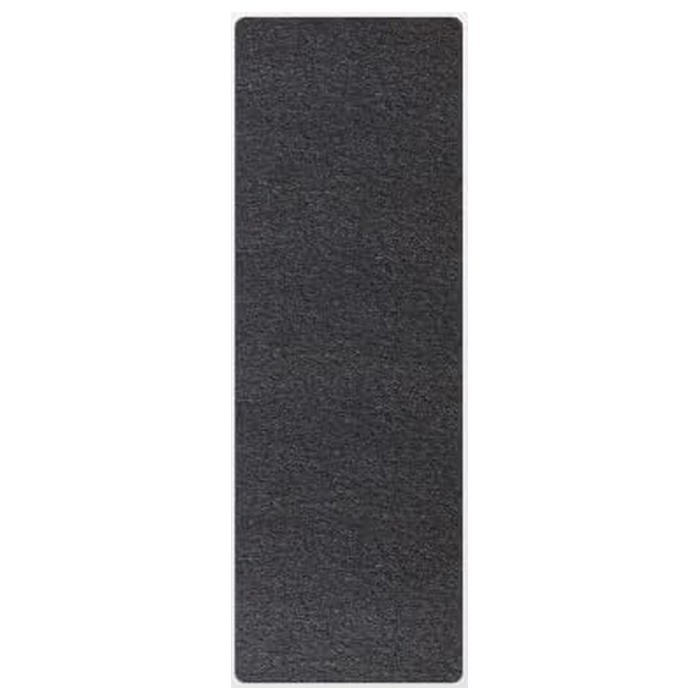
Asvin textured PVC bath mat, 47 x 16 in
A loofah-style PVC mat with a textured top surface and a non-slip underside, sold in a 47 by 16 inch size. It is designed to lie on the floor rather than seal to it, which suits a tub where suction cups cannot get a continuous grip. Check the usable floor area and whether the listing allows use while the tub is filled.
- Role: Amazon consumer option
- Loofah-style textured PVC
- 47 by 16 inch size
- Check floating and soaking guidance
- MOQ: Check current listing
If no available product is explicitly compatible, contact the tub manufacturer, installer, or refinisher. A permanent non-slip treatment or bathroom modification may be more appropriate than repeatedly buying mats that cannot attach. The useful rule is simple: when the floor is textured, stop trying to make a suction cup seal. Match the product to the surface, test for movement before use, and remove it from service if it shifts.
Frequently asked questions
Why does my bath mat float in a textured tub?
Suction cups may not be sealing against the irregular floor, so water gets underneath and lifts the mat. A suction-free or weighted product designed for that surface may be a better candidate, but verify fit and stability before relying on it.
Can I use a bath mat on a refinished tub?
Only if the tub or refinishing manufacturer and the mat maker both allow that product. Some refinished surfaces should not be exposed to strong suction or adhesive. Check the care instructions and warranty before use.
Are adhesive bath treads safer than a mat?
They avoid a loose mat only when the adhesive is compatible, installed correctly, and maintained. They are not universally suitable for textured or coated tubs. Confirm compatibility and follow cure-time instructions before getting the surface wet.
How often should I clean an in-tub mat?
Follow the mat maker’s directions. Remove, rinse, and dry it after each use if the instructions call for that; clean it regularly so soap film does not build up underneath or on the foot-contact surface.
Does a non-slip mat prevent falls?
No single mat can guarantee that. It may provide a surface designed to improve traction, but stability also depends on installation, cleaning, the tub surface, and the user. Consider grab bars and other changes where balance or stepping into the tub is a concern.
References
-
Duck Brand, How-To Install: Bath Mat Source
-
Duck Brand, Bath Mat FAQs Source
-
SlipX Solutions, Frequently Asked Questions Source
-
Asvin Soft Textured PVC Bath Mat, 47 x 16 inches — Amazon listing
-
CDC, Preventing Falls and Hip Fractures Source
- Google Search Central, Creating Helpful, Reliable, People-First Content — https://developers.google.com/search/docs/fundamentals/creating-helpful-content
- YouTube, SlipX Solutions Weighted Non Slip Bath Mat overview Source
Hook this up to your favourite commenting platform — Giscus, Disqus, or your own.
Continue reading
Do Washing Machine Anti-Vibration Pads Stop Walking?
A pad that has shifted out from under the washer is a symptom, not the diagnosis. Check the machine is stable and the foot fits the cup before buying a grippier set.

When a Silicone Faucet Mat Pools Water, Check the Fit and Drain Path
A mat that holds a puddle is failing at one of three points: the counter does not drain toward the bowl, the mat is set the wrong way, or its outlet is blocked.
How to Keep a Cutting Board From Sliding on a Countertop
Most boards move because of a film of water or oil, a warped corner, or an overhang, not because the board is light. Find the cause, then pick a damp cloth or a grip pad.