How Often Should You Wash Cashmere?
A wear-vs-wash decision guide for sweaters, cardigans and scarves
 Lena Schmidt
Disclosure: We may earn a commission if you purchase through links on this page, at no additional cost to you.
There is no reliable rule that every cashmere sweater must be washed after a fixed number of wears. A lightly worn cardigan may only need airing and a spot check, while a close-fitting layer worn against skin may collect sweat, body oil, deodorant and food residue in one day. The better question is not “What is the magic number?” but “What soil is present, and can it be removed without a full wash?”
This guide gives a practical decision system for washable cashmere, wool-cashmere blends and similar animal-fiber knits. It does not override the care label. Dry-clean-only, lined, embellished, vintage or hand-dyed pieces should be assessed by a cleaner familiar with fine knitwear.
The short answer
| After wearing the garment | Inspect for | Usually choose |
|---|---|---|
| Briefly over a shirt or coat | No odor, dampness, visible mark or body-product transfer | Air fully, fold and return to storage |
| For a full day with little sweating | Collar, cuffs, underarms and waistband | Air first; spot-treat only if a mark is present |
| Against bare skin or in warm weather | Sweat, salt, oil, deodorant and lingering odor | Wash if the label permits; do not rely on spray to mask soil |
| Around food, smoke, cosmetics or heavy dust | Localized or widespread residue | Spot-treat a small area or wash according to the label |
| After illness, heavy perspiration or damp storage | Persistent smell, moisture or discoloration | Clean before storage; seek professional help if the label forbids wet care |
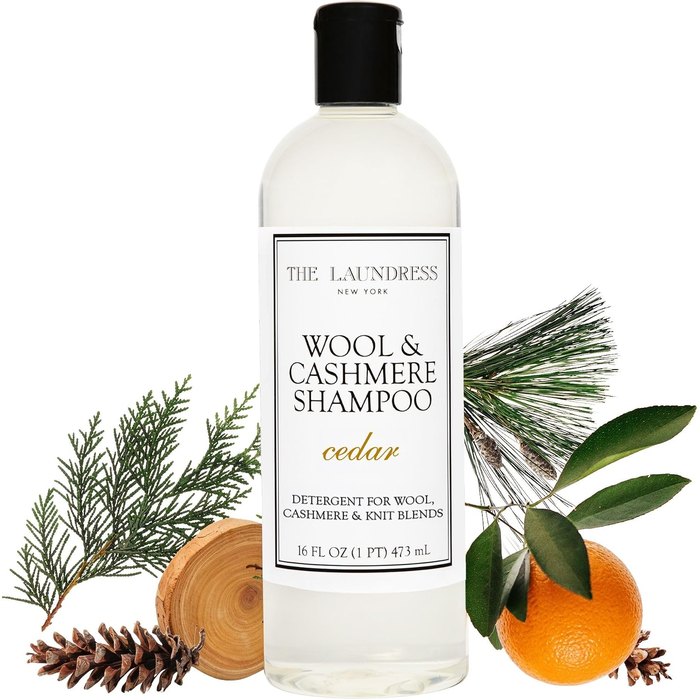
Wool and cashmere wash cleanser
Verify the live listing, dimensions and variant before buying. This route is a practical starting point, not a guarantee that every model suits every cashmere garment.
- Role: Amazon consumer option
- Check the current listing
- Match the product to the garment
- Confirm care and return terms
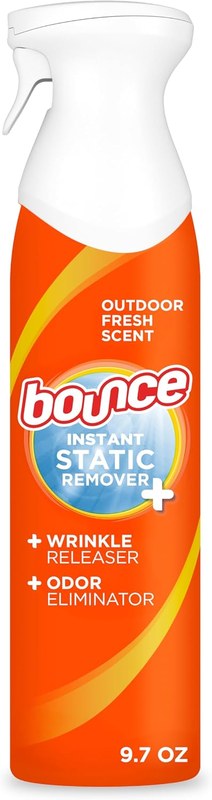
Anti-static spray to keep cashmere static-free
Verify the live listing, dimensions and variant before buying. This route is a practical starting point, not a guarantee that every model suits every cashmere garment.
- Role: Amazon consumer option
- Check the current listing
- Match the product to the garment
- Confirm care and return terms
This table is a decision aid, not a universal wear count. The number of wears matters less than the type of exposure and whether the garment was allowed to dry and air between uses.
Why washing too often can be as unhelpful as washing too late
A wash is a mechanical and chemical event
Even a gentle wash wets the fiber, moves the knit, transfers detergent through the yarn and requires water removal and drying. Repeated handling can raise the nap, increase pilling, distort the shape or leave residue if the product is over-dosed. Cashmere and wool are keratin fibers, so strong alkalinity, oxidizers, enzymes not intended for wool and excessive heat are poor default choices.
Not every smell means the garment is dirty
A faint “closet” or damp-towel smell may come from incomplete drying or poor airflow rather than heavy soil. Conversely, a garment can smell acceptable while still carrying sweat salts, oils or antiperspirant residue. Use touch, visual inspection and the location of the problem—not scent alone—to decide.
A spray is not a substitute for cleaning
A fabric refresher can be useful between washes when the garment is clean and dry, but fragrance can cover rather than remove body soil. Do not spray a damp or visibly marked sweater and then seal it in a drawer. If odor returns quickly, investigate the fiber, drying history, storage and actual residue.
The four-question wash decision
1. Was it worn against bare skin?
A scarf over a coat, a loose cardigan over a shirt and a fitted turtleneck do not receive the same soil load. Focus on neck, underarms, cuffs and any area that touched skin or hair products. If the garment was worn over a base layer and remained dry, airing may be enough.
2. Did it become damp?
Sweat, rain, a humid commute or a damp bathroom can leave moisture in a fine knit. Let the garment dry completely in moving air before deciding whether the odor is persistent. Do not put it directly into a closed storage box while damp.
3. Is there a visible or tactile residue?
A shiny collar, waxy underarm, stiff cuff or pale ring is a stronger reason to clean than a vague odor. Treat a small fresh mark with a compatible wool/cashmere cleanser if the label permits, then reassess. A separate guide in this series covers yellow underarm discoloration in more detail.
4. What does the care label permit?
The label is the boundary for water temperature, machine use, hand washing and drying. Fiber content alone is not enough: a cashmere blend with silk, nylon or elastane may have different dimensional and color behavior. If the label is missing, use the most conservative handling or consult a professional.
Three real-life decisions
A cardigan worn over a T-shirt
If it stayed dry during a short indoor day, has no collar or cuff residue and was aired after wear, a full wash may add more handling than benefit. Air it thoroughly, inspect the neckline and underarms, then fold it. If a small makeup mark is present, address that area rather than automatically washing the entire garment.
A fitted turtleneck after a warm commute
Direct skin contact, perspiration and neck oils raise the soil load even when the sweater looks clean. Let it dry, check the underarms and inside collar, and wash according to the label if odor or dampness remains. A scented spray is not a replacement for removing sweat and oil.
A scarf exposed to smoke or cooking
Smoke and food odors can cling to the surface without making the scarf visibly dirty. Air it in clean moving air first. If the smell persists, use the label-permitted wash or professional cleaning route; do not seal it in a drawer or layer fragrance over the odor.
A practical between-wash routine
Air before you store
Turn the sweater inside out if the surface allows it and place it flat or over a broad, breathable support away from direct heat. Give the fabric time to lose moisture. A hanger can pull on wet shoulders, so support the garment rather than suspending it by the neckline.
Inspect the high-contact zones
Look at the neckline, underarms, cuffs, front placket and hem. Check for crumbs, makeup, deodorant, oil shine, dampness and a change in texture. Small, local soil is easier to manage than a whole garment that has been repeatedly exposed to a dryer or sealed in a plastic bag.
Remove loose surface material gently
Use a clean lint roller or your fingers for loose debris. Do not brush a fine cashmere surface aggressively. Pilling is a separate fiber-and-friction problem; cutting pills, shaving, or combing should be done only with a tool and technique suited to the knit.
Fold for storage
Once fully dry, fold the sweater with broad, even folds. Do not store it tightly compressed with damp laundry, and do not leave a heavy stack pressing on a still-wet garment. Clean storage also reduces the chance that body residue will attract moths.
When a full wash is the safer choice
Wash when there is widespread body soil, a persistent odor after thorough airing, visible sweat or food residue in more than one area, or a garment that became wet and cannot be confirmed clean. Washing is also sensible before long-term storage if the item has been worn, because unseen oils can age or attract pests.
Follow the label exactly. For a permitted hand wash, use cool or label-approved water, a wool/cashmere cleanser, minimal agitation and a towel roll to remove water. Do not wring. Reshape the garment and dry it flat. A separate guide covers flat drying; another covers recovery if a sweater has already shrunk.
If the garment is machine-washable, use the specified cycle, temperature, spin setting and mesh bag instructions. Do not translate a brand’s machine-wash claim to every cashmere sweater. A different gauge, dye, blend or finish may respond differently.
How to choose a wool or cashmere cleanser
| Check on the label | Why it matters | What to avoid assuming |
|---|---|---|
| Target fibers named | Wool, cashmere, merino or silk compatibility is more relevant than a luxury-sounding name | A product for cotton or whites is automatically safe |
| Temperature and dose directions | Over-dosing can leave residue; hot water can alter shape or handle | More detergent means cleaner cashmere |
| Enzyme and bleach information | Some formulas are not intended for protein fibers or dyed knits | “Natural” means non-reactive |
| Rinse or no-rinse instruction | Residue control affects handle and odor | A no-rinse formula can be substituted freely |
| Patch-test guidance | Dye and finish stability vary | A product used successfully on one sweater suits every color |
Test a hidden seam or an old swatch when possible. Let it dry fully before judging softness, color, scent and texture. For an expensive piece, product instructions and the garment label outrank internet recipes.
listing shopping routes supplied for this article
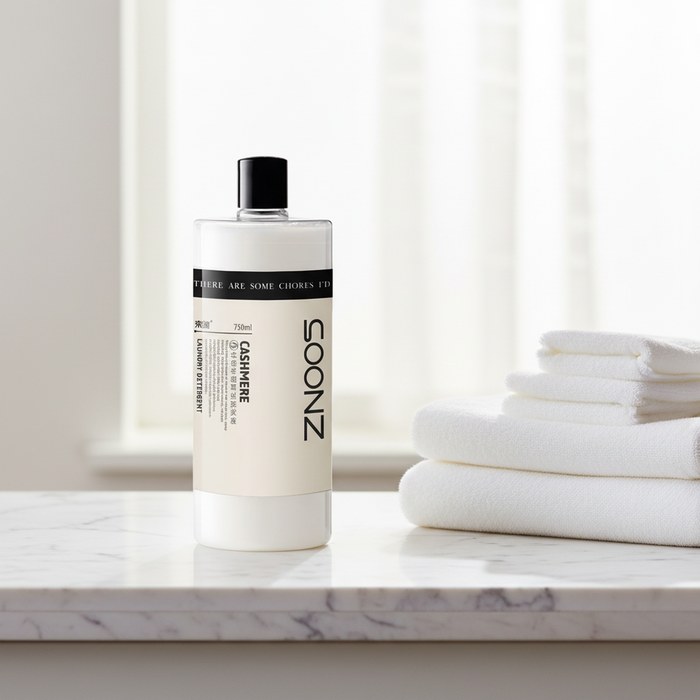
Supplier route for batch sourcing
A supplier route for buyers comparing samples, specifications and commercial terms. Verify the exact listing and supplier details before placing an order.
- Role: Alibaba sourcing candidate
- Request a sample first
- Confirm MOQ and specifications
- Verify the live listing listing
- MOQ: Check current listing
The links below are included as sourcing routes, not as rankings or approvals. Verify the live product title, current variant, ingredients, directions, compatibility claims, shipping and return terms before purchase. The Alibaba link is a candidate B2B route for a wool/silk/cashmere laundry liquid; it is not independent proof of formula performance.
For the Alibaba candidate, request a sample, full ingredient or SDS information, pH data, fragrance details, target-fiber compatibility and MOQ before bulk purchasing or private labeling. Do not infer that a supplier’s product title proves it will preserve every cashmere dye or finish.
Common mistakes that make the schedule worse
Washing by calendar instead of evidence
A fixed weekly schedule can over-handle a lightly used sweater, while a heavily worn base layer may need cleaning sooner. Start with exposure, moisture and residue.
Using fragrance to cover body soil
If the smell returns after the fragrance fades, the underlying residue was not removed. Air first; clean when the soil or odor is persistent.
Leaving a sweater damp in a hamper
Closed, humid storage encourages stale odor and makes it harder to tell whether the sweater needs washing or simply drying. Let it dry before sorting.
Over-dosing a concentrated wash
More product can mean more rinsing and more residue. Follow the label’s dose for the water volume and garment load.
Hanging a wet sweater
Gravity can lengthen shoulders and distort the neckline. Support the knit flat during water removal and drying.
FAQ
Can I wear cashmere several times before washing?
Often yes, if it stayed dry, was worn over a clean layer, has no visible residue and was aired completely. A fitted sweater worn against skin in warm conditions may need cleaning sooner. Use the garment’s condition rather than an arbitrary count.
Can I wash cashmere after every wear?
You can follow a label that permits it, but frequent wet handling is not automatically better. If there is no meaningful soil, air and inspect first. Fewer well-controlled washes can reduce unnecessary mechanical and chemical stress.
Does cashmere need dry cleaning?
Not every washable cashmere garment does. Some labels permit careful hand or machine washing, while tailored, lined, embellished or dry-clean-only pieces require professional handling. The label and construction decide.
What if the sweater smells but has no stain?
Dry it fully and air it in a clean, ventilated place. If the smell remains or returns quickly, wash if permitted. Do not seal the sweater with fragrance while it is damp.
Should I wash a cashmere sweater before storing it for summer?
If it has been worn, cleaning before long-term storage is prudent because invisible body oils and food residue can attract pests. Store only when fully dry and folded in a breathable container.
How do I handle a cashmere blend?
Read the full fiber content and label. Silk, nylon, elastane and synthetic blends can alter stretch, drying and dye behavior. Do not assume a blend follows the same schedule or recovery response as 100 percent cashmere.
The practical decision
Wash cashmere when there is real soil, persistent odor, damp exposure or a need to clean before long-term storage—not simply because a calendar says it is time. Between washes, air the garment, inspect high-contact zones, address small marks early and store it only when completely dry. This approach limits unnecessary handling while making sure sweat, oils and residues do not accumulate unnoticed.
References
-
Rajabinejad H, et al. “Physicochemical properties of keratin extracted from wool by various methods.” Textile Research Journal, 2018. Peer-reviewed discussion of wool keratin response to chemical processing conditions. DOI source
-
LaFleur KS. “Wool Damage Data.” Textile Research Journal, 1949. Technical study of wool response to heat, acid, alkaline, reducing and oxidizing conditions. DOI source
-
McGregor BA, et al. “Feltability of cashmere and other rare animal fibres.” Textile Research Journal, 2013. Research on how cashmere fiber characteristics, origin and blends influence felting behavior. DOI source
Hook this up to your favourite commenting platform — Giscus, Disqus, or your own.
Continue reading

How to Hang a Cashmere Sweater Without Stretching It
Fold it flat when the garment is wet or heavy; use a fold-over method only when closet space makes hanging necessary

How to Choose a Reusable Pet Hair Remover for Clothes and Furniture
A clothes brush and a chamber roller solve different problems. Match the mechanism to the surface you actually clean, then check how it empties.

How to Choose Couch Grippers for Hardwood Floors
Match grippers to the sofa's feet, check floor compatibility, and choose between cut-to-fit pads, adhesive pads and a rug setup.