How to Choose a Hair Catcher for a Flat Shower Drain Without Slowing Water
Match the catcher to the drain you actually have, measure the landing area, and keep the water path open.
 Lena Schmidt
Disclosure: We may earn a commission if you purchase through links on this page, at no additional cost to you.
Start with the drain, not the product
For a flat shower-stall drain, choose a catcher that rests securely on the shower floor, covers the path toward the opening, and can be lifted out for cleaning. The useful test is not whether a listing says “universal.” It is whether the catcher fits your actual drain area and still lets water clear at your normal shower flow. A screen that is too small lets strands bypass it; one that is too restrictive or quickly covered with hair can leave water around your feet.
Before shopping, identify the drain you have. A shower-stall drain is usually level with, or slightly below, the surrounding floor. A bathtub drain may have a stopper or pop-up mechanism; a linear drain has a long channel and often a manufacturer-designed cover; a tile-in drain hides the drain below a removable tiled insert. These are different installation situations. This guide is for an accessible, flat shower-stall drain where a surface catcher can sit without blocking a fitted grate or interfering with a designed drain assembly.
That distinction matters because products that work well in a tub may not stay in position on an open shower floor, and an in-drain insert may not fit a shallow or covered opening. If your shower has a lift-out tile insert, a long channel, or a proprietary drain system, check its manual first. Do not force a flat screen under a grate, remove a screwed or sealed cover, or leave the floor drain partly obstructed just to make an accessory fit.
Measure the usable surface area
Measure the flat landing area around the drain, not just the hole beneath the grate. Note whether the grate is round, square, or rectangular, and whether it sits flush or in a shallow recess. A surface catcher needs enough uninterrupted contact area to sit level. Its edge should not teeter on grout lines, bridge a deep recess, or overlap a raised edge that leaves a gap for hair to pass underneath.
Check the product’s actual width and shape against that landing area. A round steel screen and a square silicone cover solve the same broad task in different ways. The OXO Good Grips Shower Stall Drain Protector is a low-profile stainless-steel screen with a silicone rim; OXO says it sits flat on shower-stall drains and uses the rim to help prevent sliding. A square suction-cup style such as the Couidl two-pack covers more floor around the opening, but its cups need a surface they can grip. Review current listing dimensions and your floor geometry before buying; do not rely on “fits most” as a substitute for measuring.
Leave the drain’s water path open. A catcher should cover the opening enough to intercept hair without creating a sealed mat over the whole drain. If your drain has side slots, a cross pattern, or a narrow channel, check how water is meant to enter it. A product that sits over the visible center but leaves the intended intake exposed may work; one that seals over that intake may not. When you cannot tell from above, use the drain manufacturer’s model information or ask a plumber rather than guessing.
Choose a design that matches your floor
A flat stainless-steel catcher with a soft rim is a sensible first option for a smooth, level shower pan and a standard round floor drain. It spreads the contact around the perimeter, is easy to lift, and does not depend on multiple suction cups. The tradeoff is that hair collects visibly on top, so it needs a quick wipe or rinse before the layer becomes thick. OXO’s product page describes its steel construction as rust-resistant and its silicone rim as the part that helps hold the protector in place. Those are manufacturer claims; they do not guarantee a perfect fit on every floor.
A flexible silicone square with corner suction cups can suit a smooth, flat surface when you want a wider cover or a second catcher for another bathroom. Press each cup onto a clean, smooth surface during installation. Suction cups are less dependable on textured tile, small mosaic grout, porous stone, dusty grout, or a curved shower pan. A cup may appear attached while the drain is dry, then release when water and foot movement disturb it. If the floor is textured, choose a rimmed product that rests securely without suction, or use the drain’s compatible built-in strainer.
An insert-style catcher sits down inside a compatible drain rather than covering the floor around it. It can keep the surface visually clear, but it requires the right opening diameter and depth. Some models replace the drain cover; others need the cover removed. Do not assume these will work in a flat shower-stall drain with a shallow body or a hidden tile insert. Read the installation steps and check whether removing a component affects the drain’s intended assembly.
For a linear drain, start with the brand and model of the channel. Many have a lift-out hair basket or a removable strainer underneath the cover. A generic square mat may block a long section, sit unevenly, or be hard to reach without changing how the water enters the channel. Use a product made for that drain or its replacement insert. The quickest way to avoid a return is to photograph the drain and record the cover length, width, and how it lifts out before ordering.
Balance hair capture with drainage
Every surface catcher creates a tradeoff: finer or denser openings may stop more strands, but hair and soap residue can cover them sooner. Large openings may drain freely but allow fine strands through. The right choice depends on your hair length and shedding, shower flow, and how often you are willing to clean the screen. No catcher can promise that every strand will be stopped or that it will never affect drainage.
Test a new catcher while it is clean. Run the shower at the flow you normally use and watch the floor around the drain. Water should continue to move toward the opening without building into a persistent pool. Then use the shower normally and check again after hair begins collecting. If drainage slows only as hair accumulates, remove and clean the catcher sooner. If water pools even when the catcher is removed and the drain opening is clear, the accessory is not the only issue; there may be an existing blockage, a restricted drain, or a slope problem.
Do not “solve” pooling by cutting or drilling a product, removing a drain component, or pushing hair into the opening. That can defeat the catcher or make later cleaning harder. If water backs up quickly, the floor stays wet after showering, or the drain remains slow with the catcher removed, stop treating it as a product-fit problem and inspect the drain safely or call a qualified plumber. The Washington Post’s drain guidance similarly distinguishes prevention from clearing an existing blockage: a catcher can intercept hair at the surface, but it will not remove hair already lodged farther down the pipe.
When testing, compare like with like: begin with the drain clear and catcher clean, use the shower at its regular setting, and watch whether water clears normally. Then check again after hair has collected. A brief puddle that drains after you remove a visible hair mat points to cleaning frequency; persistent slow flow with an empty screen points elsewhere. This simple comparison prevents you from blaming a product for a drain that was already restricted.
Make cleaning part of the decision
The best catcher is one you will actually clean. A flat screen makes the collected hair visible and easy to reach, but you will see it until you remove it. An in-drain model hides the hair more effectively, but you need to lift it out and clean its grooves or basket. A silicone mat is usually quick to rinse, though hair can cling to its surface or around the suction cups. Consider which task you dislike least: seeing hair between showers, touching a wet clump, or lifting a small insert from the drain.
For a surface screen, lift it by the edge after hair begins to gather, wipe or rinse the strands into the trash, and return it only after the drain area is clear. Do not wash a large hair clump down the sink. Rinse soap film from the underside and rim, since residue can reduce grip. For suction-cup styles, release the cups gently rather than yanking the center; then clean the floor and cups before pressing them back down. Follow the maker’s care instructions, especially if the part includes metal.
Set the cleaning interval by what you see, not a rigid calendar. A long-haired household may need to clear the catcher after each shower or every few uses; a low-shedding household may go longer. Hair that forms a mat over the openings is a signal to clean it now, not a sign that you need a more complicated tool. A quick check after showering is easier than waiting until drainage visibly slows.
Two options to compare
If your drain is a standard flat shower-stall style, compare a low-profile rimmed steel screen with the area and shape of your drain. The OXO Good Grips Shower Stall Drain Protector on Amazon is one candidate in that category. Its maker describes a flat stainless-steel protector with a silicone rim; confirm the current size and installation notes on the listing before ordering.
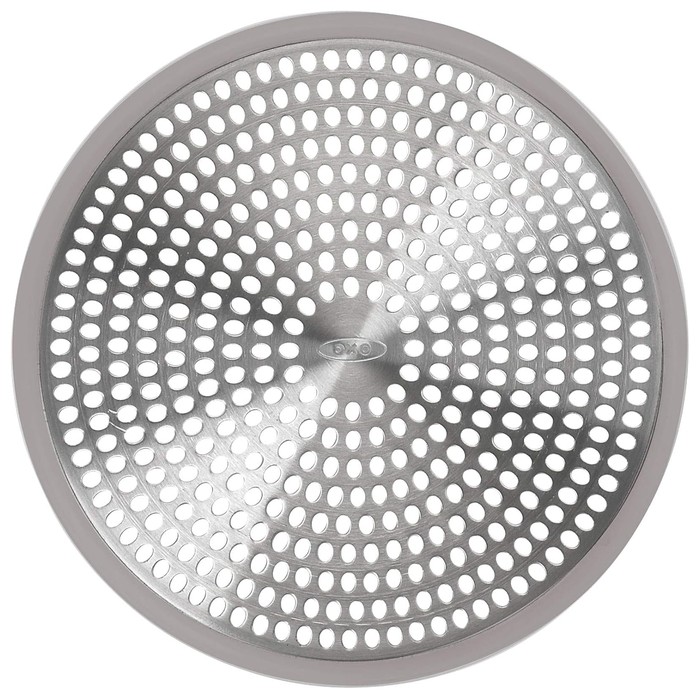
OXO Good Grips shower stall drain protector
A low-profile rimmed stainless-steel screen that rests on the shower floor. It suits a level shower-stall drain where you want the collected hair visible and easy to lift off. Measure the landing area first and check the rim width against your drain.
- Role: Amazon consumer option
- Rimmed stainless-steel screen
- Suits level shower-stall drains
- Check rim width against the landing area
- MOQ: Check current listing
If you prefer a wider silicone cover or want a two-pack, the Couidl silicone drain hair catcher on Amazon is another candidate to evaluate. Check the specific listing’s dimensions, suction-cup layout, and care instructions. It is a better fit only if your floor is smooth enough for the cups and the cover does not interfere with the drain’s water entry. The product format alone cannot establish compatibility.
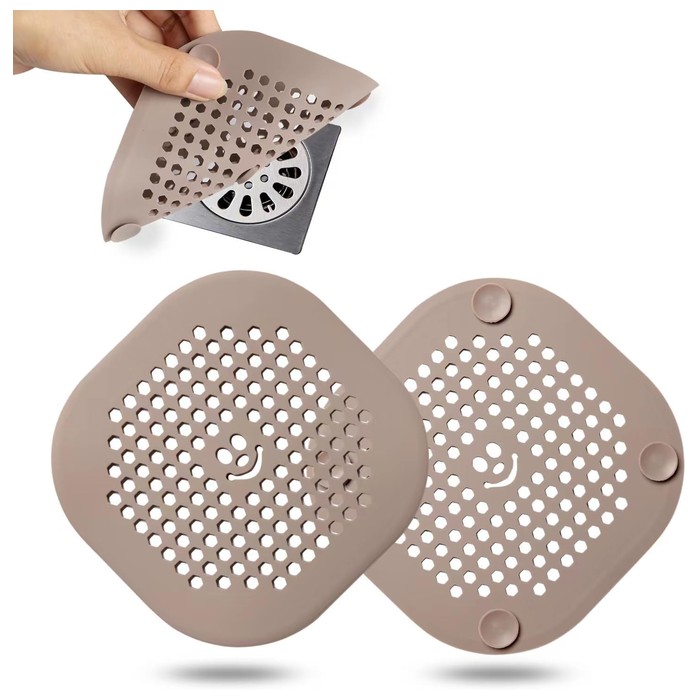
Silicone drain hair catcher, 2-pack
A wider silicone cover with corner suction cups, sold as a two-pack. It suits a smooth, flat shower floor and a household that prefers one cover across the drain opening. Suction is most reliable on clean, smooth, nonporous tile.
- Role: Amazon consumer option
- 2-pack silicone covers
- Corner suction cups
- Best on smooth, nonporous tile
- MOQ: Check current listing
Neither option is automatically right for every shower. Measure first, then favor the one that sits flat, stays out of the walking path, exposes the drain’s intended water intake, and comes off easily for cleaning. Current price, stock, colors, and review totals can change, so use the live listings rather than relying on old screenshots or quoted prices.
A quick fit-and-flow checklist
Before your first full shower, check these points: the drain is accessible and the catcher is designed for that type; its footprint fits the flat area without rocking; the rim or cups contact the floor as intended; the drain’s designed water-entry path remains clear; the catcher can be removed without tools; and a clean-water test does not leave standing water around it. After the first shower, clear the hair and repeat the test if you noticed slower drainage.
Questions readers ask
Will a hair catcher stop every clog? No. It can reduce the amount of hair entering the drain, but it cannot catch everything, remove soap residue, or clear an existing blockage. If the shower remains slow when the surface is clean and the catcher is removed, investigate the drain itself.
Do suction cups work on textured shower tile? They are most reliable on a clean, smooth, nonporous surface. Grout lines, pebbled texture, and porous tile can prevent full contact. Test the fit before relying on the cups; if the cover shifts under normal water flow or foot movement, choose a different style.
Can I place a hair catcher over a tiled-in drain? Only if it rests securely without blocking the designed flow path or interfering with the removable insert. Since tile-in drains differ, check the drain maker’s instructions. A generic mat should not be wedged under, or used to replace, a fitted drain part.
How often should I clean it? Clean it when the hair layer starts covering openings or you notice water backing up around the screen. The interval depends on hair length, shedding, water flow, and the catcher’s open area.
The practical choice
For an accessible flat shower-stall drain, start by measuring the landing area and identifying where water enters the drain. Choose a rimmed steel screen for a smooth standard surface when quick visible cleanup is acceptable; consider a suction-cup silicone cover only when the floor is smooth enough to hold it securely. Test drainage with the catcher clean, then keep the hair layer thin with routine removal. If pooling continues after you lift the catcher away, the next step is drain troubleshooting, not buying a tighter screen.
References
-
OXO: Shower Stall Drain Protector Source
-
The Washington Post: Why Does My Shower Drain Keep Clogging, and How Can I Clear It? Source
-
Better Homes & Gardens: My Shower Drain Clogged Daily Until I Found This $3 Fix Source
-
Drew & Jonathan: The Best Shower Drain Hair Catchers 2026, Tested and Reviewed Source
-
YouTube: Top 5 Best Shower Drain Hair Catchers Review Source
Hook this up to your favourite commenting platform — Giscus, Disqus, or your own.
Continue reading

How to Choose a Zipper Repair Kit That Fits Your Zipper
A number on the slider is only part of the match. Identify the chain type, confirm the size, then check direction, slider function and end parts before buying a kit.

How to Choose a Stove Gap Cover for Uneven Counters
Measure the seam at the front, middle and back on both sides, then match the profile. A strip bridges a gap; it does not level a range that sits too high.

How to Choose Dishwasher Rack Tine Caps for a Rusty Rack
Tine caps only work when the rust is limited to a few exposed tips and the wire is still firm. Check the opening, length and shape of the tine before ordering a pack.